
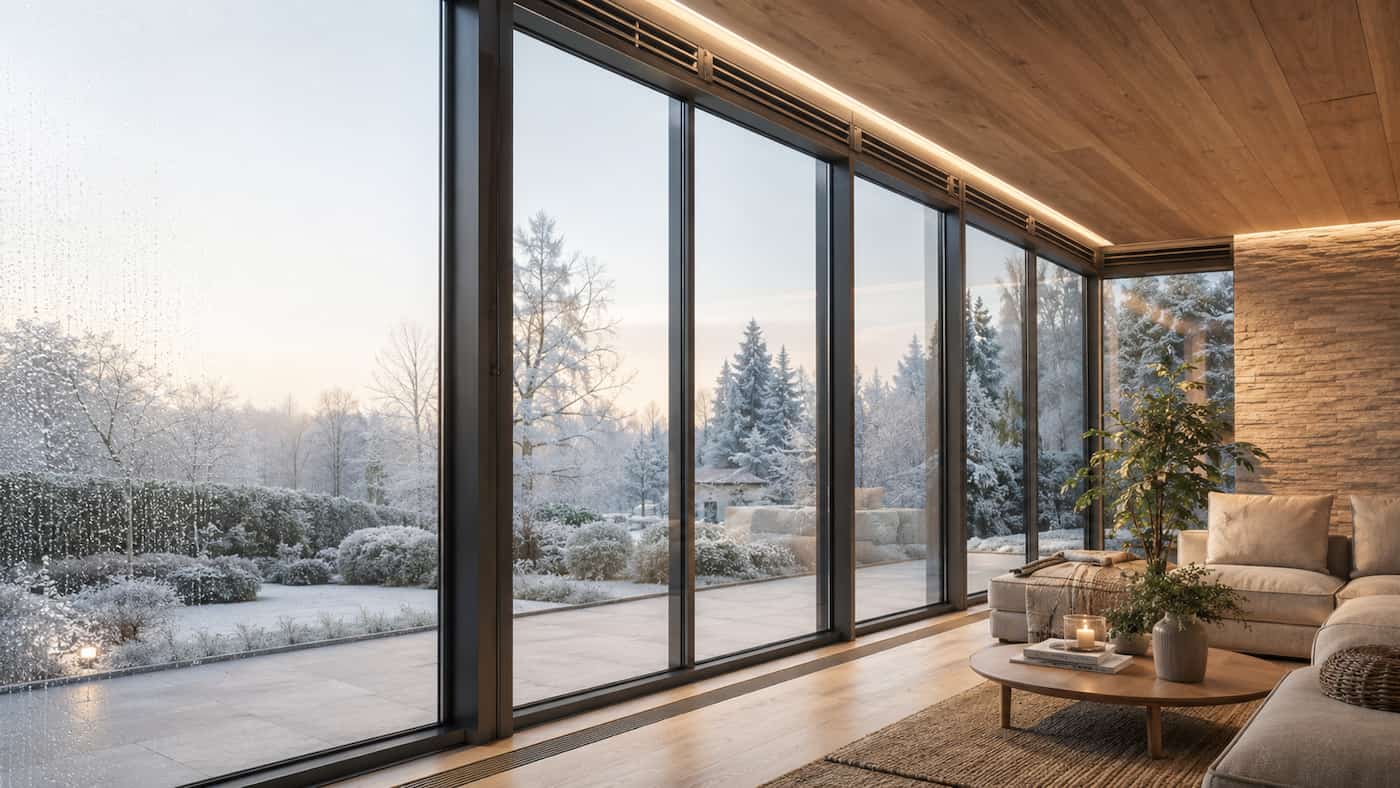

Condensation in glass winter gardens usually appears when warm indoor air meets cold glass surfaces and releases moisture as water droplets. This can affect comfort, visibility, flooring, profiles, furniture and the overall feeling of the space, especially during cold mornings, rainy periods or evenings when temperature differences increase.
A good prevention strategy is not based on one single action. It requires balanced heating, controlled humidity, correct glass selection, proper airflow and installation details that reduce cold bridges. When these factors work together, a glass winter garden can remain more comfortable, dry and usable throughout the year.
What Causes Condensation in Glass Winter Garden Systems?
Condensation forms when moisture in the air reaches a cold surface and turns into visible water droplets. In enclosed glass areas, this process becomes more noticeable because glass reacts quickly to outdoor temperature changes. If the inner surface of the glass becomes cold while the indoor air remains warm and humid, moisture collects on panels, joints and profiles.
This problem is not only related to the glass itself. Cooking areas, indoor plants, crowded use, wet flooring, insufficient ventilation and uneven heating can all increase humidity levels. For this reason, Glass Winter Garden Condensation should be evaluated as a combination of design, material, usage habits and climate conditions rather than a simple cleaning or maintenance issue.
Why Is Condensation a Common Problem in Winter Gardens?
Winter gardens are designed to connect indoor comfort with outdoor openness, so they naturally include large glass surfaces. These surfaces allow daylight and views, but they also create wider areas where warm air can meet colder materials. If the system is not planned with insulation, ventilation and drainage in mind, condensation becomes more likely during seasonal transitions and winter months.
The risk increases when the winter garden is used as a living area, dining space, cafe section or enclosed terrace. More usage means more heat, breathing, moisture and indoor activity. To Prevent Condensation in Winter Garden areas, the system should support stable indoor conditions instead of trapping humid air inside a fully closed glass volume.
Temperature Differences Between Indoor And Outdoor Areas
Large temperature differences are one of the main reasons condensation appears on glass panels. When outdoor air is cold and indoor air is warm, the inner glass surface can cool down quickly. If that surface temperature drops below the dew point, moisture in the air turns into droplets. This is why condensation is often more visible early in the morning, after sunset or during sudden weather changes.
High Indoor Humidity In Enclosed Glass Spaces
Humidity rises when moisture-producing activities take place inside or near the winter garden. Plants, wet shoes, recently cleaned floors, crowded seating, food service and open kitchen connections can increase indoor moisture levels. If this humidity remains trapped, glass surfaces become the first visible point of the problem. Managing humidity is therefore as important as selecting the right glass or heating method.
Insufficient Air Circulation Around Glass Surfaces
Air circulation helps distribute temperature and moisture more evenly across the space. When furniture, curtains, decorative panels or closed corners block airflow, some glass areas remain colder than others. These colder points become condensation zones. A winter garden layout should allow air to move near glass surfaces, corners and profile lines so moisture does not settle in isolated sections.
How to Prevent Condensation in Glass Winter Gardens
Condensation prevention starts with controlling indoor humidity and surface temperature together. Ventilation lowers excess moisture, insulation keeps the inner glass surface warmer, and heating balance prevents sudden cold spots. If only one of these elements is improved while the others are ignored, the result may be temporary and limited.
For long-term comfort, users should also consider how the space is used during the day. Opening panels briefly, avoiding excessive indoor humidity, keeping air paths clear and choosing suitable shading or glass systems can reduce moisture buildup. In projects that include winter garden systems, these details should be planned from the design stage rather than corrected after installation.
Use Proper Ventilation To Balance Humidity
Proper ventilation allows moist air to leave the space before it turns into droplets on glass. Short and controlled air exchange is often more effective than leaving the area fully closed for long periods. Winter Garden Ventilation can be supported with opening panels, sliding elements, controlled window use or system details that help air renew naturally without creating uncomfortable drafts.
Choose Insulated Glass For Better Thermal Performance
Insulated glass helps keep the inner surface temperature more stable, which reduces the chance of moisture reaching the dew point. A well-planned Insulated Glass Winter Garden can provide better comfort in cold weather because the glass surface does not become as cold as single-layer alternatives. This does not remove the need for ventilation, but it supports the entire condensation control strategy.
Maintain A Stable Indoor Temperature
Sudden temperature drops make condensation more likely because glass surfaces cool faster than the air inside the space. Keeping the winter garden at a stable and moderate temperature helps reduce this contrast. Heating should not be concentrated in only one corner; it should support the whole area evenly. Balanced temperature control also protects flooring, furniture and profile connections from repeated moisture exposure.
Avoid Blocking Airflow Near Glass Panels
Furniture placement has a direct effect on condensation control. Sofas, planters, storage units or heavy curtains placed too close to glass can prevent warm air from reaching the surface. When airflow is blocked, moisture collects more easily behind these objects. Leaving enough clearance around panels, corners and transition points helps the system breathe and keeps glass surfaces more consistent.
The Role of Glass Quality in Condensation Control
Glass quality affects how quickly indoor surfaces lose heat. Standard glass may cool rapidly in winter, while insulated or performance-focused glass can slow heat transfer and improve indoor comfort. This is especially important in winter gardens because the design usually includes wide transparent surfaces exposed to wind, rain and outdoor temperature changes.
A good glass choice should match the climate, direction of sunlight, intended usage and enclosure level of the project. For example, a terrace used occasionally may need a different specification than a restaurant section used every day. In systems combined with a glass roof or surrounding glass panels, glass performance becomes one of the key factors behind year-round usability.
Double Glazing And Thermal Insulation Benefits
Double glazing reduces heat transfer between indoor and outdoor environments by creating an insulating layer between glass panes. This helps the inner surface remain warmer in cold weather, lowering condensation risk. It also improves comfort near glass areas, where users often feel cold radiation from poorly insulated surfaces. For enclosed winter gardens, double glazing is a practical step toward more stable conditions.
Low-E Glass Options For Winter Garden Comfort
Low-E glass coatings are designed to improve thermal performance by reflecting part of the heat back into the interior. This can help reduce heat loss during colder periods and support a more comfortable indoor surface temperature. Low-E options may also contribute to energy efficiency depending on the project details, orientation and heating setup, making them useful for winter gardens planned as active living spaces.
Why Professional Installation Matters for Condensation Prevention
Even high-quality glass can perform poorly if installation details are weak. Gaps, poor sealing, incorrect slope, thermal bridges and weak joint connections can all create cold points where moisture gathers. Condensation often appears first around edges, profiles, corner joints and transition areas because these points are more sensitive to installation quality.
Professional installation helps align the glass, profiles, drainage and ventilation needs as one system. This is important because condensation prevention is not only about the product selected, but also about how the system meets the existing structure. Correct measurements, suitable profile choices and clean connection details reduce the risk of recurring moisture problems after installation.
Common Mistakes That Increase Condensation in Glass Winter Gardens
Many condensation problems appear after the winter garden is already in use because small design or usage mistakes accumulate over time. Fully sealing the area without ventilation, choosing weak glass performance, ignoring drainage or placing furniture too close to panels can make the space feel damp even if the structure looks complete from the outside.
A more reliable approach is to evaluate the winter garden as a living environment. Heat, humidity, airflow, glass type, profile quality and water management should support each other. When one part of this balance is missing, the system may still function visually, but comfort issues such as moisture, fogging and water droplets become harder to control.
Poor Sealing Around Glass Joints
Weak sealing allows cold air and moisture to enter sensitive areas around glass joints. This creates uneven surface temperatures and may cause condensation near edges, corners or profile lines. Sealing should be continuous, compatible with the system and resistant to seasonal movement. If joints are not handled correctly, the problem may return even after cleaning or short-term ventilation.
Lack Of Drainage And Water Management
Condensation and rainwater both need controlled paths to leave the system. If drainage details are missing or blocked, water can collect around profiles, flooring edges or connection points. This increases dampness and may make condensation appear worse. Proper slope, clean channels and regular checks help prevent moisture from staying inside the winter garden structure.
Using Non-Insulated Profiles In Cold Climates
Profiles can become cold bridges if they do not support thermal performance. In cold climates, non-insulated or poorly selected profiles may cool down quickly and attract moisture around frame lines. This creates visible droplets even when the glass itself performs reasonably well. Profile selection should therefore be considered together with glass type, usage frequency and local weather conditions.
Maintenance Tips to Keep Glass Winter Gardens Condensation-Free
Regular maintenance helps keep condensation under control after installation. Glass surfaces, drainage channels, seals and moving parts should be checked periodically, especially before colder months. Dust, leaves, blocked channels or damaged seals can affect air movement and water management, making moisture problems more likely during heavy rain or low temperatures.
Daily usage habits also matter. Brief ventilation, stable heating, avoiding excessive indoor humidity and keeping glass areas unobstructed can make a visible difference. Users should watch for repeated condensation in the same spot because it may indicate a local issue such as blocked airflow, weak sealing, drainage buildup or a cold bridge near a profile connection.
Tenteks Glass Winter Garden Systems for Better Comfort
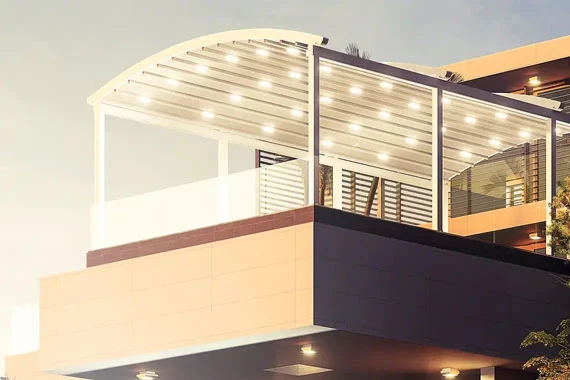
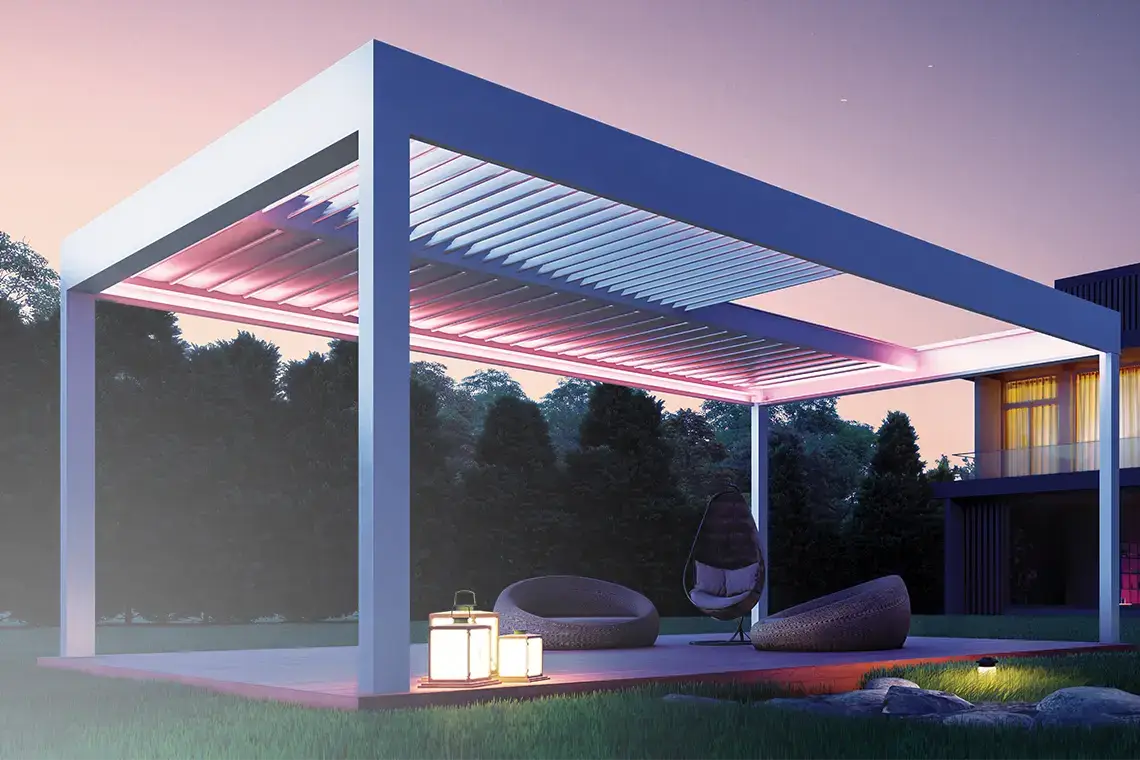
In glass winter garden projects, comfort depends on how the system is designed around the building, climate and usage needs. The right combination of glass panels, roof structure, opening systems, profiles and shading elements helps create a space that feels usable across more seasons. Condensation control should be considered alongside daylight, heat balance, ventilation and protection from rain.
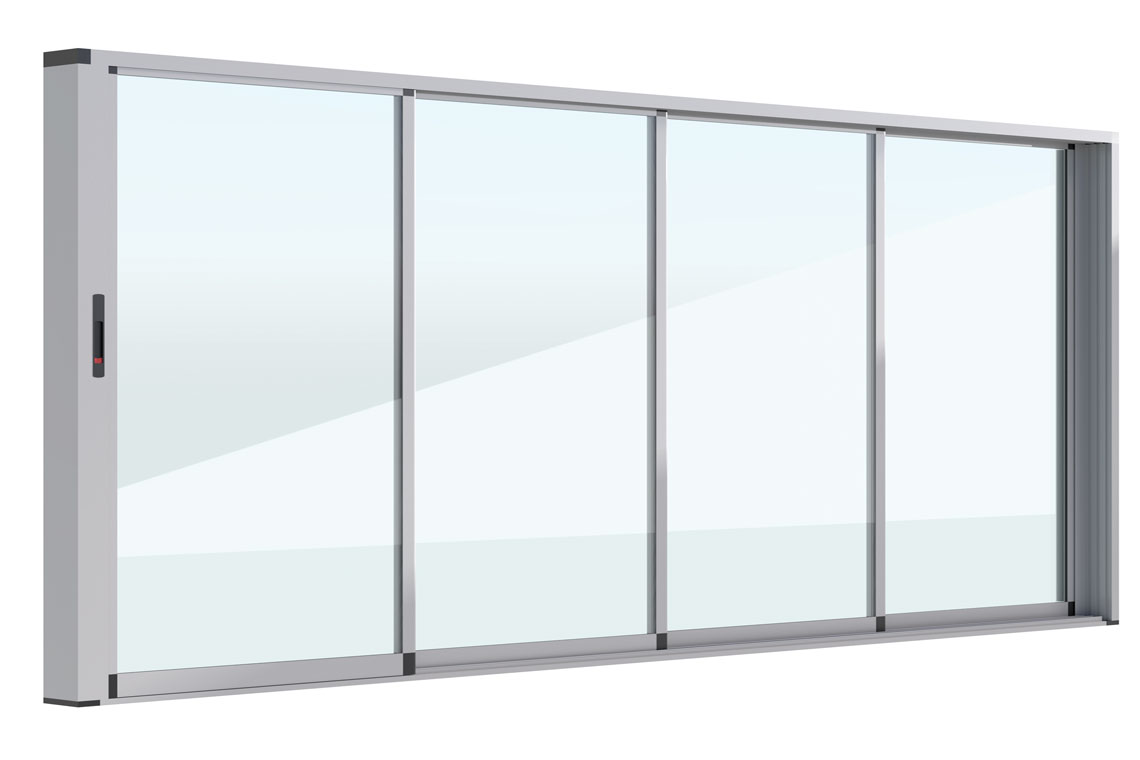
Tenteks project planning can bring together winter garden systems, guillotine glass systems and sliding glass solutions according to the needs of the area. This makes it easier to plan airflow, enclosure level and daily usability without treating condensation as an afterthought.
Tailor-Made Winter Garden Solutions By Tenteks
Every winter garden has different exposure, dimensions, sunlight direction and usage expectations. A tailor-made approach helps determine where fixed glass, moving glass, roof systems or ventilation elements should be positioned. This matters because condensation risk changes according to how air moves through the space. When the system is planned according to the project, comfort and moisture control become easier to manage.
Durable Glass And Profile Systems For Year-Round Use
Durable glass and profile systems support winter garden performance across changing weather conditions. Strong profiles, correct connection details and suitable glass choices help reduce cold spots, air leakage and water accumulation. For year-round use, the system should not only look transparent and elegant; it should also handle temperature changes, wind, rain and daily movement without creating recurring comfort problems.
Why Choose Tenteks for Glass Winter Garden Projects?
Choosing a winter garden system should include more than visual design. Condensation prevention, glass performance, opening options, roof details, drainage, shading and maintenance access should all be considered before installation. When these points are evaluated together, the final space can offer better comfort, clearer glass surfaces and more predictable use across different seasons.
Tenteks solutions can be planned with project-specific system combinations, including glass roof applications and surrounding glass systems where needed. This supports a more complete approach for terraces, gardens, balconies, restaurants, hotels and commercial spaces where visual openness, comfort and long-term usability need to work together.