
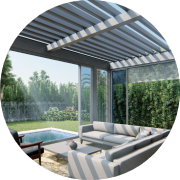
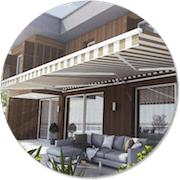
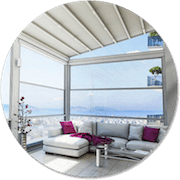


The winter season is undoubtedly the toughest exam of the year for our outdoor living spaces. While moving systems protect us from the sun in summer and rain in spring with pleasure, they have to fight against snow weight, icing, severe winds, and sudden temperature changes during winter. These systems, which you use on your home terrace, in your garden, or in the open area of your business, are actually products of serious engineering, and their lifespan can be extended for years with the right maintenance.
So, how do you protect your comfort zone, which you established with a significant investment, from the wearing effects of winter? As Tenteks, we have compiled a comprehensive maintenance and protection guide for you to keep your systems performing like day one and to prevent user-induced malfunctions.
1. Snow Load Management: The Difference Between Dry and Wet Snow
The biggest risk in winter is the mass of snow accumulating on the awning fabric or pergola profiles. However, not all snow has the same weight; “wet snow” (sleet) is much heavier than dry snow and puts more pressure on the systems.
- Classic Fabric Awnings (Articulated/Retractable Arms): These systems are primarily designed for sun and light rain protection. They do not have the static structure to carry heavy snow loads. As soon as snowfall begins, you must bring these awnings to the fully closed position to prevent the arms from bending and the fabric from tearing.
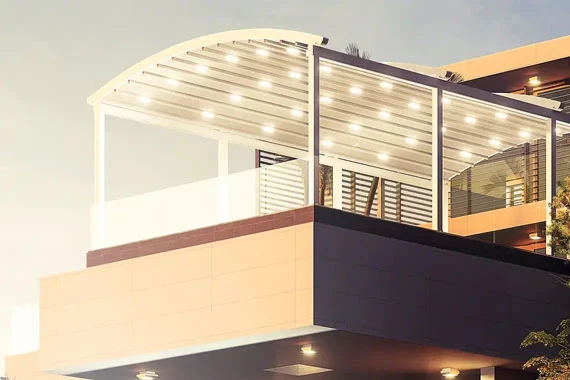
- Automatic Rail Systems: Our automatic pergola awning models, designed for four-season use, can carry a certain amount of snow load thanks to their strong aluminum skeleton structure. However, risks should not be taken in extraordinary weather conditions (accumulations of 20-30 cm and above).
- How to Clean? If excessive snow has accumulated on the system, trying to throw off the snow by opening and closing the system may strain the motor. Instead, the healthiest method is to manually clean the snow with the help of a soft-bristled brush that will not damage the fabric. Never use shovels or sharp-pointed objects.
2. Fabric Health and Measures Against “Hidden Mold”
One of the common mistakes made in winter, which is difficult to reverse, is rolling up the awning fabric while it is wet and keeping it closed for a long time.
- Humidity and Lack of Air: If your awning fabric is rolled up after getting wet from rain or melting snow water, air circulation between the fabric layers stops. This dark and humid environment is ideal for the breeding of mold and mildew. Over time, this causes discoloration, rotting, and bad odors in the fabric.
- Provide Air Circulation: Turn those rare moments when the sun shows its face in winter into an opportunity. On days without precipitation, you should fully open your awning to ventilate it and ensure the fabric dries completely. The sun’s UV rays are a natural disinfectant and prevent mold formation.
- Stain Cleaning: Before entering winter, if there are bird droppings or tree resin on the fabric, make sure to clean them. These acidic substances penetrate deeper into the fabric when combined with the cold of winter and can leave permanent stains.
3. Rail and Seal Maintenance in Moving Glass Systems (Guillotine/Sliding)
Moving glass systems, indispensable for winter gardens, are masters at blocking wind, but their “moving mechanisms” become sensitive in winter.
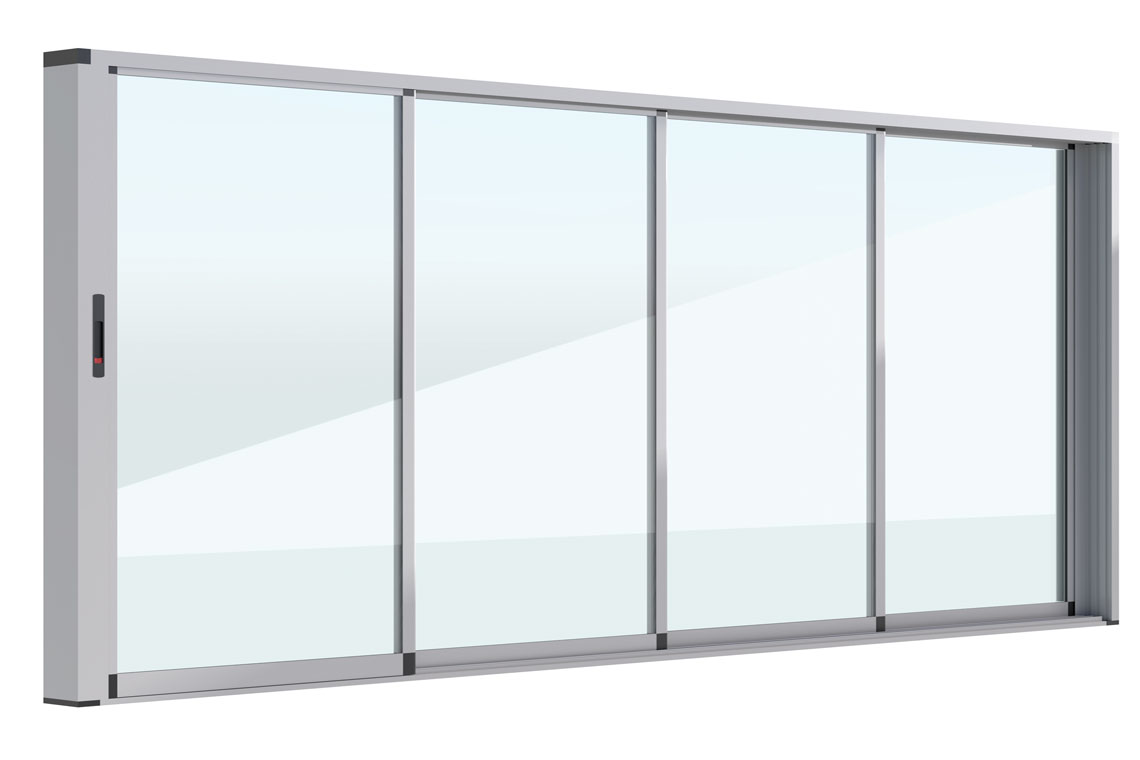
- Don’t Force Frozen Rails: The channels (rails) where guillotine glass or sliding glass systems move can fill with water and dust accumulation in winter and freeze. If your windows do not open when you wake up in the morning, the reason may be that the brush seals or the water in the rail have frozen.
- Critical Warning: In such a case, pressing the remote control and forcing the motor can cause the belt to break or the motor gears to strip. Wait for the system to thaw with natural room temperature or with the help of warm water.
- The Silicone Spray Miracle: Before winter sets in, spraying “silicone spray” on the brush seals and gaskets where the glass moves both reduces friction and prevents the seals from freezing and sticking to the glass.
4. Hidden Danger: Clogged Water Drainage Channels
One of the most important features of rail pergola systems is that they drain water through hidden channels. However, leaves left over from autumn can disrupt this perfect system.
- Freezing and Expansion: If your pergola gutters or the water downpipes inside the pillars are clogged with leaves/mud, water accumulates in the channel. When the temperature drops below zero at night, this water freezes and expands. Expanding ice can crack the aluminum profile or burst PVC pipes.
- A Simple Test: Before the harshest days of winter arrive, pour a bottle of water into the gutters to check if the water flows easily from the bottom of the pillars. If the flow is slow or non-existent, make sure to clean the channels.
5. Electronics and Power Fluctuations
Your systems consist not only of mechanical but also of electronic parts.
- Batteries Die Faster in Cold: The batteries of your remote controls run out much faster in cold weather than normal. It is useful to check the batteries before panicking when you think the system is not working.
- Voltage Fluctuations: Power outages and sudden voltage fluctuations are frequently experienced during winter storms. This situation can damage the electronic boards of tubular motors. If power outages are frequent in your area, using a surge protector or regulator on the line where the system is connected saves the motor life.
- Sensor Misconception: Wind sensors are lifesavers, but they can become dysfunctional when their propellers freeze or become covered with snow. When the meteorology issues a “storm” warning, the safest way is to take precautions manually (close the awning and cut the power) instead of relying 100% on technology.