
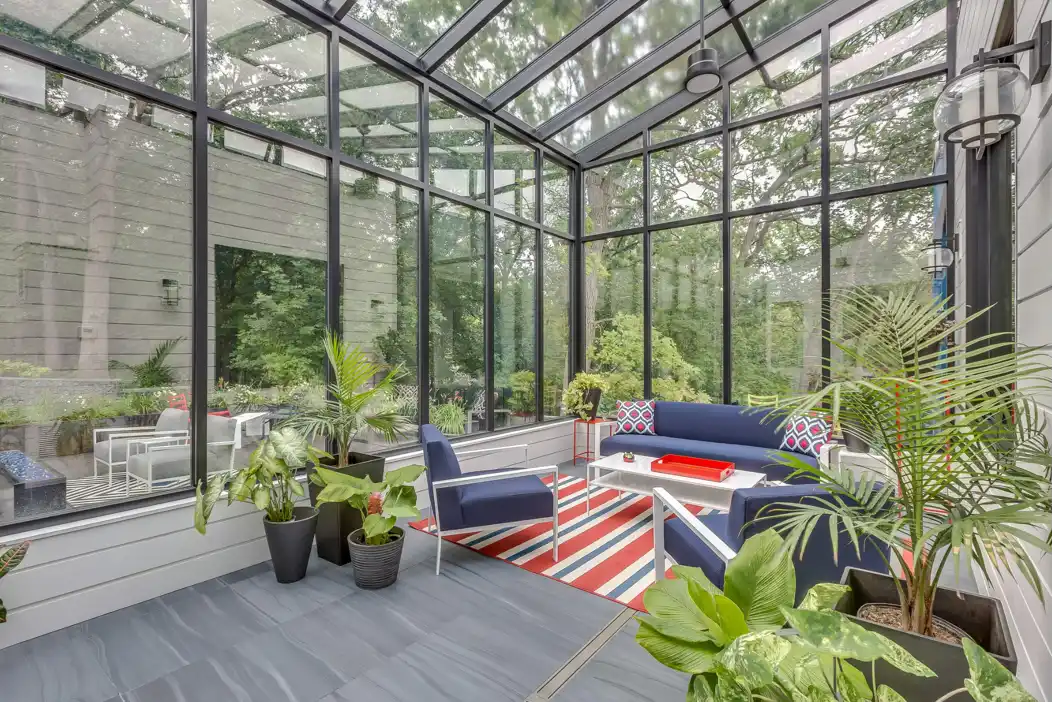

Sunrooms are designed to bring the outdoors in, offering a bright and relaxing space filled with natural light. But when summer temperatures rise, these spaces can quickly become uncomfortably hot. This guide explores why sunrooms overheat and shares 5 proven methods to keep them cool and usable during the hottest months. Whether you’re building a new sunroom or trying to improve an existing one, these strategies will help you create a refreshing, livable environment all year long.
Reasons Sunrooms Get Too Hot in Summer
Sunrooms are typically constructed with large glass panels to maximize sunlight and views. While this design creates a beautiful indoor-outdoor experience, it also makes the space vulnerable to heat buildup. Glass is a poor insulator, and during the summer months, it allows solar heat to flood into the room—especially if the sunroom faces south or west. Without proper ventilation, insulation, or shading, the heat becomes trapped, creating a greenhouse effect that can make the room feel unbearable.
Another common issue is the lack of integration with a home’s main HVAC system. Many sunrooms are built as add-ons and aren’t connected to central air conditioning, leaving them dependent on passive cooling or portable systems. Combined with high ceilings and minimal insulation, this can cause temperatures in a sunroom to soar far above those in the rest of the home. Understanding these contributing factors is the first step toward creating an effective cooling plan that without sacrifice comfort or style.
5 Proven Ways to Cool Down Your Sunroom
When the sun’s blazing, your sunroom shouldn’t feel like a sauna. These five expert-backed tips will help you reduce heat and boost comfort, without breaking the bank.
Use Solar Shades or Thermal Curtains
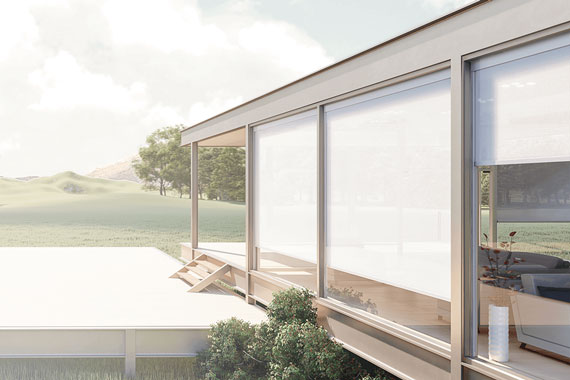
One of the simplest yet most effective ways to manage sunroom heat is to install solar shades or thermal curtains. These window treatments are designed to block or reflect a significant portion of the sun’s rays before they enter your space. Solar shades, in particular, allow diffused light to pass through while filtering out heat and harmful UV rays, helping maintain a bright yet cooler environment.
For an exterior solution, advanced systems like the zip blind by Tenteks offer wind-resistant, automatic shading that blocks sunlight before it even hits the glass surface—an ideal complement to interior window treatments. Combined with fans or AC units, both interior and exterior shade systems play a vital role in keeping your sunroom comfortable throughout the summer.
Install Ceiling or Oscillating Fans
Fans are a tried-and-true method of improving air circulation, and they’re particularly effective in sunrooms where stagnant heat can build up quickly. Installing a ceiling fan helps distribute air throughout the room and creates a wind-chill effect, making you feel cooler without actually lowering the temperature. Choose a fan with a reversible motor so you can switch airflow direction depending on the season—counterclockwise in summer for a cooling effect.
If ceiling installation isn’t an option, oscillating or tower fans can be just as effective. These portable options allow you to target specific areas and adjust the airflow based on your needs. Placing fans near windows or doors can also help push warm air out and draw cooler air in. While fans alone may not be enough on very hot days, they’re an energy-efficient complement to insulation, shades, or air conditioning systems and can significantly enhance comfort in your sunroom.
Consider a Mini-Split or Portable AC Unit
If your sunroom regularly overheats during summer, especially during peak daylight hours, installing an air conditioning unit may be the most reliable way to ensure year-round comfort. One of the most efficient options is a ductless mini-split system, which allows you to independently control the temperature of your sunroom without extending your central HVAC. These units are highly energy-efficient and offer both cooling and heating functions, making them ideal for seasonal versatility.
For those seeking a less permanent solution, portable air conditioners provide flexibility and ease of use. They are typically plug-and-play units with wheels, allowing you to move them as needed. Many models come with built-in dehumidifiers and programmable thermostats for added comfort and convenience. However, they may require venting through a window or wall opening, which should be sealed properly to prevent warm air from entering.
Whichever option you choose, make sure to size the unit correctly based on the square footage and glass exposure of your sunroom. Pairing a cooling system with proper insulation and shading will not only enhance effectiveness but also help reduce energy costs.
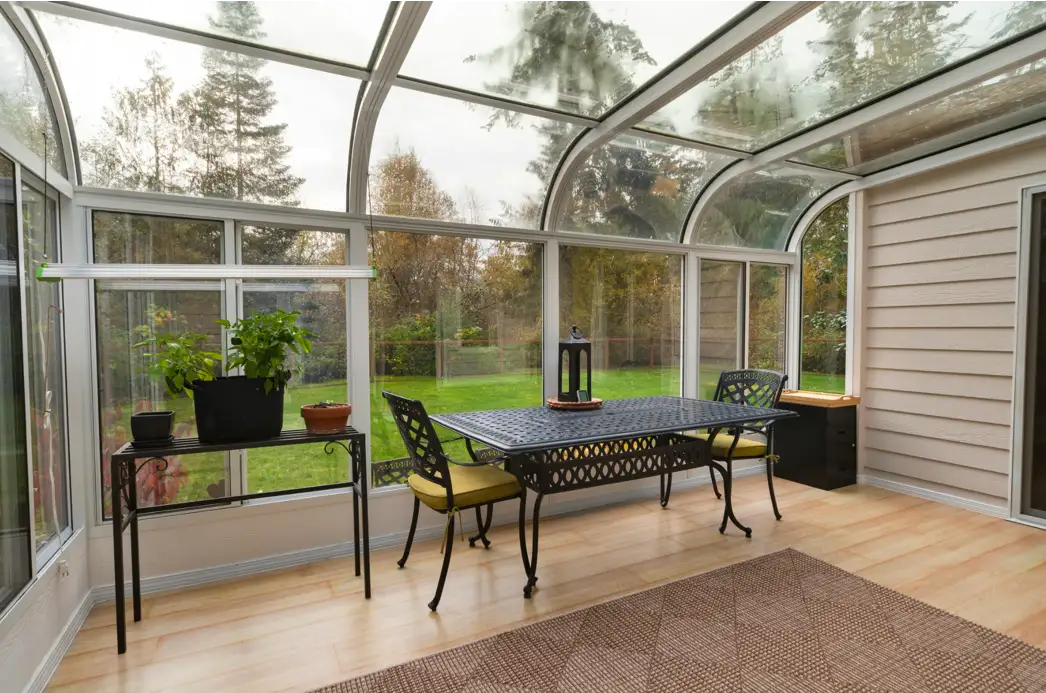
Upgrade Insulation and Seal Air Leaks
Insulation isn’t just for winter—it’s also essential for keeping your sunroom cool during the summer. Many older sunrooms are constructed with little to no insulation in the roof, floor, or walls, allowing heat to transfer easily into the space. Upgrading to insulated panels or using spray foam in critical areas can drastically reduce thermal gain and improve temperature control.
Windows and doors are common culprits for air leaks, which allow warm air to seep in and cool air to escape. Use weatherstripping, caulk, or foam sealant to close any gaps around frames, corners, and thresholds. These small fixes can make a noticeable difference in how your sunroom retains conditioned air.
Double- or triple-pane windows with low-E coatings are also worth considering for new builds or renovations. They offer improved thermal performance by reflecting infrared heat and blocking harmful UV rays. A well-insulated sunroom not only improves energy efficiency but also enhances the performance of other cooling systems like fans or mini-splits.
Add Strategic Landscaping or Outdoor Shading
A natural, often-overlooked way to cool your sunroom is through landscaping and exterior shading. By planting trees, shrubs, or climbing vines near your sunroom—particularly on the south or west side—you can significantly reduce direct sunlight exposure. Tall, deciduous trees provide shade during hot summer months while allowing sunlight through in winter when they shed their leaves.
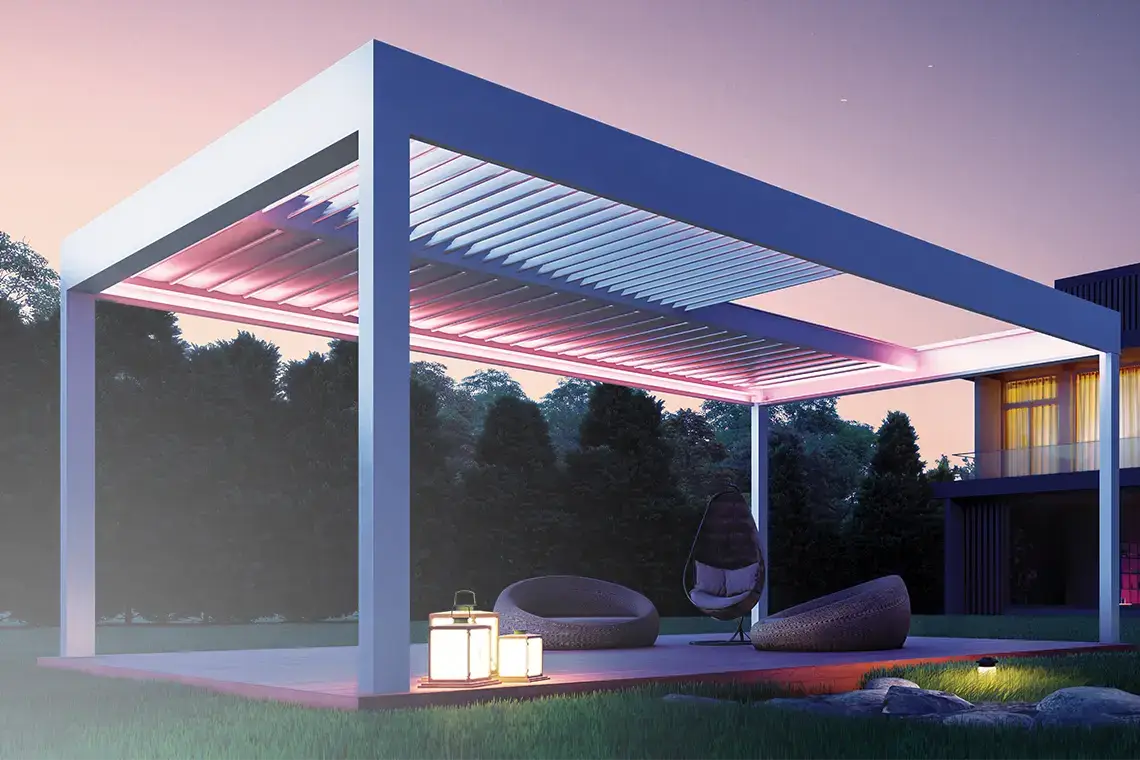
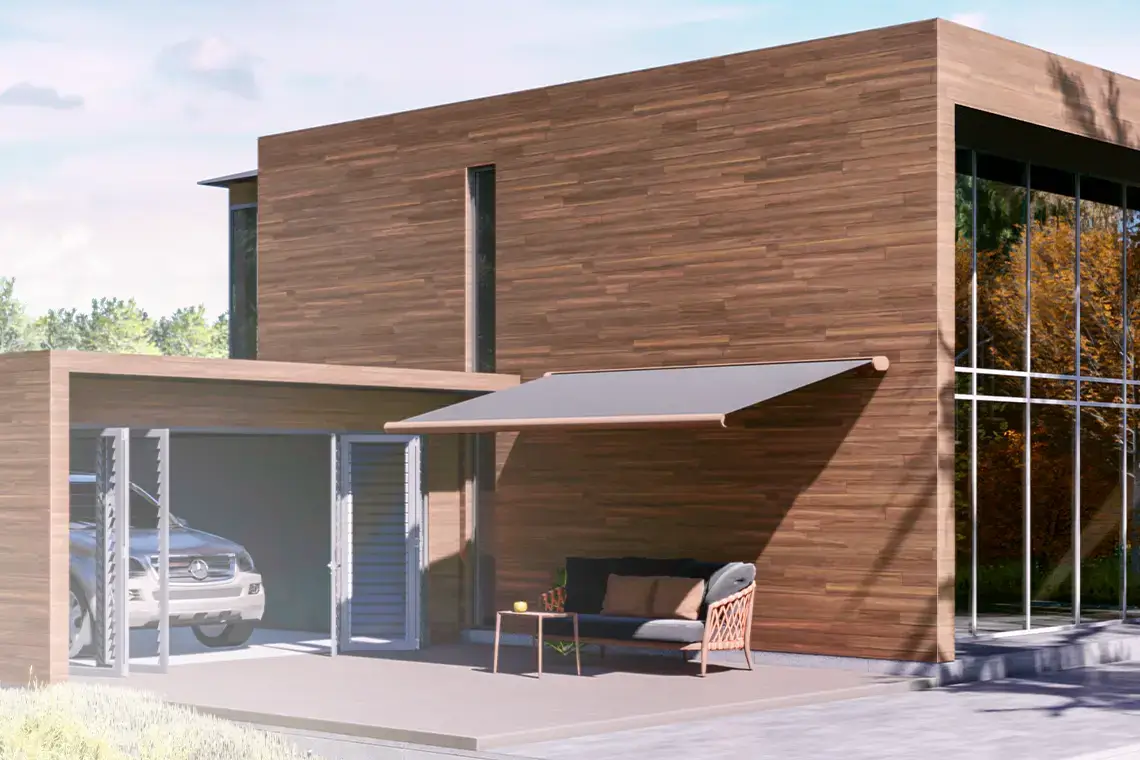
Pergolas or trellises with flowering vines can also offer partial shade and improve airflow. In some cases, adjustable awnings or external shading systems can be added to regulate sunlight more precisely. These exterior elements reduce solar heat gain before it ever reaches the windows or glass surfaces of your sunroom, lessening the burden on your cooling systems inside.
Besides their functional benefits, well-placed landscaping and shade structures also add to your home’s curb appeal. Combined with interior strategies like blinds, insulation, and fans, this eco-friendly solution forms part of a comprehensive plan to maintain a comfortable sunroom throughout the hottest parts of the year.
Tenteks Sunroom Systems: Engineered for All-Season Comfort
When it comes to year-round comfort in your sunroom, the quality of the structure matters just as much as your cooling methods. Tenteks offers advanced conservatory system solutions designed with thermal insulation, UV-resistant glass, and architectural integration in mind. These systems are engineered to withstand varying climates—keeping interiors cool in summer and warm in winter—without compromising on natural light or style.
Unlike generic sunroom builds, Tenteks focuses on energy-efficient materials and modular designs that blend seamlessly with your home’s architecture. Whether you’re looking for a minimalist glass enclosure or a fully insulated winter garden, Tenteks’ systems provide flexibility and performance. Their innovative structures also integrate smoothly with shading systems like zip blind, giving you more control over interior climate and light exposure.
By investing in a Tenteks Sunroom System, homeowners gain more than just extra space—they gain a livable, functional environment they can enjoy throughout the year, without worrying about seasonal extremes.