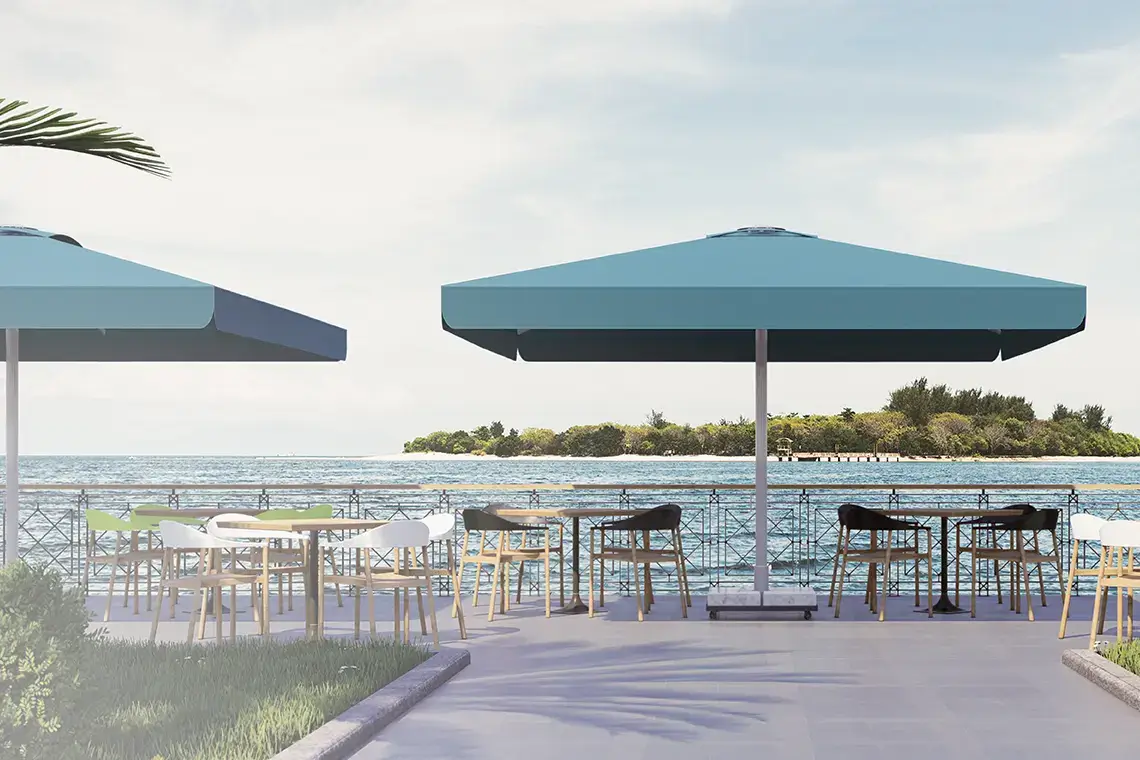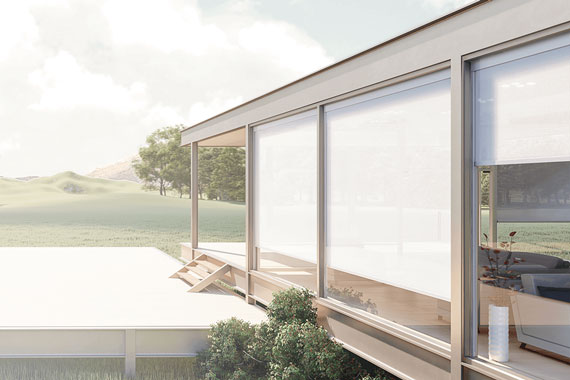


In outdoor projects, choosing the right fabric and color is not only an aesthetic decision but also a critical factor for long-term performance and user experience. Awnings, pergolas, and shading systems used in open spaces are constantly exposed to external elements such as sunlight, rain, wind, and dirt. Therefore, selections must be based on both technical and design criteria. Choosing the wrong fabric can quickly lead to issues such as fading, deformation, or water permeability.
Color selection, on the other hand, directly affects the perception of the space. The right color strengthens the brand identity while creating a sense of comfort and aesthetics for users. Especially in commercial areas, color choices can even influence customer behavior. For this reason, fabric and color selection in outdoor projects should be handled together and optimized according to the intended use scenario.
Key Criteria for Outdoor Fabric Selection
The first factor to evaluate when selecting outdoor fabrics is environmental durability. Fabrics that are not resistant to UV rays will quickly lose their color and aesthetic appearance. Additionally, the fabric must be water-resistant and structured to prevent mold and mildew formation. These properties directly determine the product’s lifespan, especially in regions with high rainfall.
Mechanical durability should not be overlooked. Features such as resistance to wind load, tear strength, and flexibility directly impact the performance of outdoor systems. Ease of cleaning and maintenance should also be considered among the selection criteria. All these factors should be evaluated together to achieve the optimal fabric choice.
UV-Resistant Fabric Selection
UV-resistant fabrics are one of the most critical components in outdoor projects because sunlight directly affects both the physical and visual structure of the fabric. Fabrics without UV protection tend to fade, weaken, and crack over time, leading to both aesthetic loss and increased costs.
High-quality UV-resistant fabrics absorb or reflect sunlight through special coatings or fiber technologies. This helps maintain color integrity and extends the lifespan of the fabric. Additionally, these fabrics contribute to temperature control beneath them, offering a more comfortable user experience.
Waterproof and Stain-Resistant Fabric Features
Waterproof fabrics are essential for functional use in outdoor environments. Thanks to their waterproof properties, rainwater remains on the surface instead of penetrating through, ensuring protection for the covered area. This is especially important in commercial spaces such as restaurants, cafes, and hotels where user comfort is critical.
Stain-resistant properties provide a significant advantage by reducing maintenance costs. Fabrics resistant to dirt, dust, and environmental factors maintain a clean appearance for longer periods. This contributes to both operational efficiency and brand perception.
Types of Fabrics Used in Outdoor Projects
The types of fabrics used in outdoor projects vary depending on usage purpose and environmental conditions. The most commonly used fabrics include acrylic, polyester, and PVC-coated materials. Each type offers different performance characteristics, and incorrect selection may result in suboptimal performance.
When selecting a fabric type, factors such as project location, usage intensity, and aesthetic expectations should be evaluated together. For example, in areas with high sun exposure, UV-resistant fabrics are preferred, while waterproof properties become more critical in regions with heavy rainfall. Therefore, fabric selection should always be project-specific rather than standardized.
Characteristics of Acrylic Fabrics
Acrylic fabrics are among the most preferred materials in outdoor projects. Thanks to their high UV resistance, they retain their color for a long time and are resistant to fading. Their breathable structure reduces heat buildup, providing a more comfortable environment.
Acrylic fabrics also have water-repellent properties, allowing rainwater to flow off the surface without penetrating the material. Due to their durability and aesthetic appeal, they are often used in premium projects.
Use of Polyester and PVC-Coated Fabrics
Polyester fabrics are commonly preferred due to their balance between durability and cost. When combined with PVC coating, they provide high performance in terms of waterproofing and mechanical strength, making them suitable for high-traffic areas.
PVC-coated fabrics offer complete waterproofing, making them advantageous in rainy regions. However, they are generally less breathable, so they should be used carefully in hot climates. Choosing the right combination based on project requirements is essential.
Factors to Consider in Color Selection
Color selection in outdoor projects is not only about aesthetics but also functionality. Light colors reflect sunlight, creating a cooler environment, while dark colors absorb heat and create a warmer atmosphere. This becomes particularly important in regions with high sun exposure.
Additionally, the visibility of dirt should be considered. While light colors offer a fresh and clean appearance, they show stains more easily. Dark tones can maintain a cleaner look for longer periods. Therefore, color selection should be evaluated alongside usage intensity.
Color Preference Based on Sunlight Exposure
In areas exposed to sunlight, color choice directly impacts comfort. Light tones reflect sunlight and help keep the area underneath cooler. For this reason, light colors are recommended for spaces heavily used during summer.
Dark colors, while offering a more premium and elegant appearance, tend to retain more heat, which can negatively affect user comfort. Therefore, a balanced decision between aesthetics and functionality should be made.
Choosing Colors Suitable for the Space Concept
Color selection should align not only with technical criteria but also with the overall design concept of the space. Neutral tones are typically preferred in modern and minimalist designs, while bold colors can be used in more dynamic environments.
In commercial spaces, color choices should be consistent with brand identity. Proper use of color enhances customer perception and increases brand recognition. Therefore, color selection should be approached as a strategic decision.
Differences in Color Strategy Between Commercial and Residential Projects
In commercial projects, color selection directly affects customer experience. In places like restaurants, cafes, and hotels, colors should create an inviting atmosphere. Balanced yet attention-grabbing color combinations are generally preferred.
In residential projects, personal preferences play a more dominant role. Users have more freedom in their choices. However, environmental factors and long-term usability should still be considered.
Fabric and Color Combinations for Long-Term Use
When fabric and color are evaluated together, a long-lasting and sustainable solution can be achieved. A durable fabric combined with the right color provides both aesthetic and functional advantages, especially in high-investment projects.
Incorrect combinations may lead to rapid deformation and aesthetic loss. Therefore, the technical properties of the fabric and the usage scenario of the color should be analyzed together to achieve optimal performance and cost efficiency.
Trend Fabric and Color Approaches in Outdoor Design
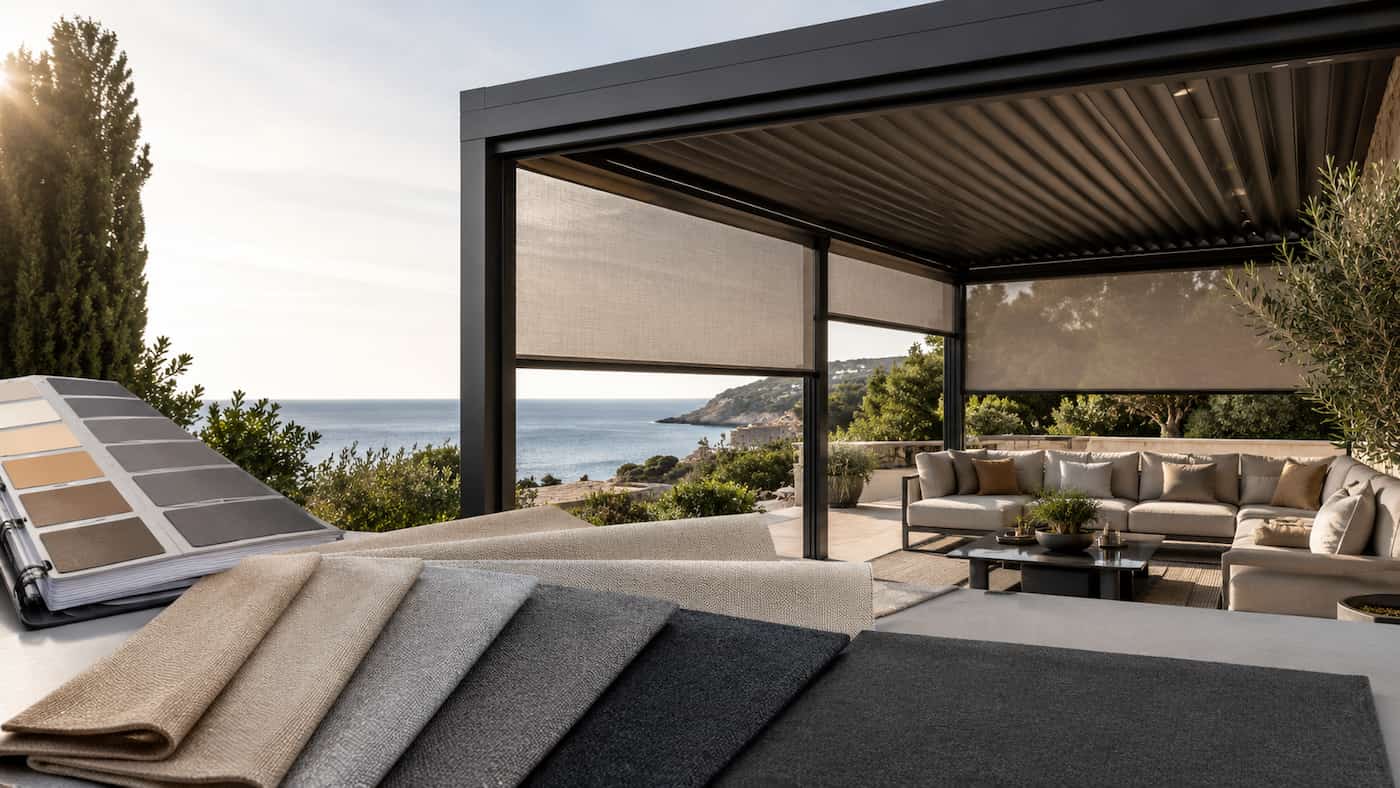
In recent years, natural tones and sustainable fabrics have gained prominence in outdoor design. Colors such as beige, gray, and earth tones offer a modern and timeless appearance while easily adapting to different concepts.
On the fabric side, recyclable and eco-friendly materials are increasingly preferred. This approach provides advantages in terms of both sustainability and brand image. However, functionality should never be compromised when following trends.