

Pergola systems are an excellent way to make outdoor areas more comfortable and functional all year round. One of the most common questions users have when investing in a pergola is: “How long do pergola systems last?”
The answer depends not only on material quality, but also on installation quality, weather conditions, and how the system is used. On average, a well-designed, high-quality pergola can last 10 to 20 years. However, this lifespan may vary depending on several key factors.
Why Durability Matters in Pergola Systems
Pergolas are not just made for sunny summer days. High-quality systems are engineered for year-round use, and thus must withstand a variety of weather conditions:
- UV radiation,
- heavy rain,
- strong wind, and
- snow loads.
A durable pergola means less frequent maintenance, longer usability, and greater return on investment. This is especially important for commercial venues such as cafés, restaurants, and hotels that rely on uninterrupted service for customer satisfaction and business continuity.
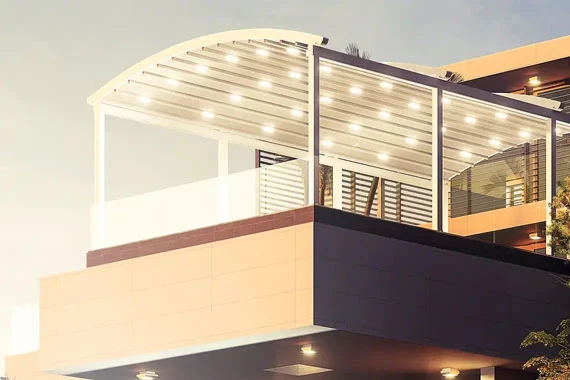
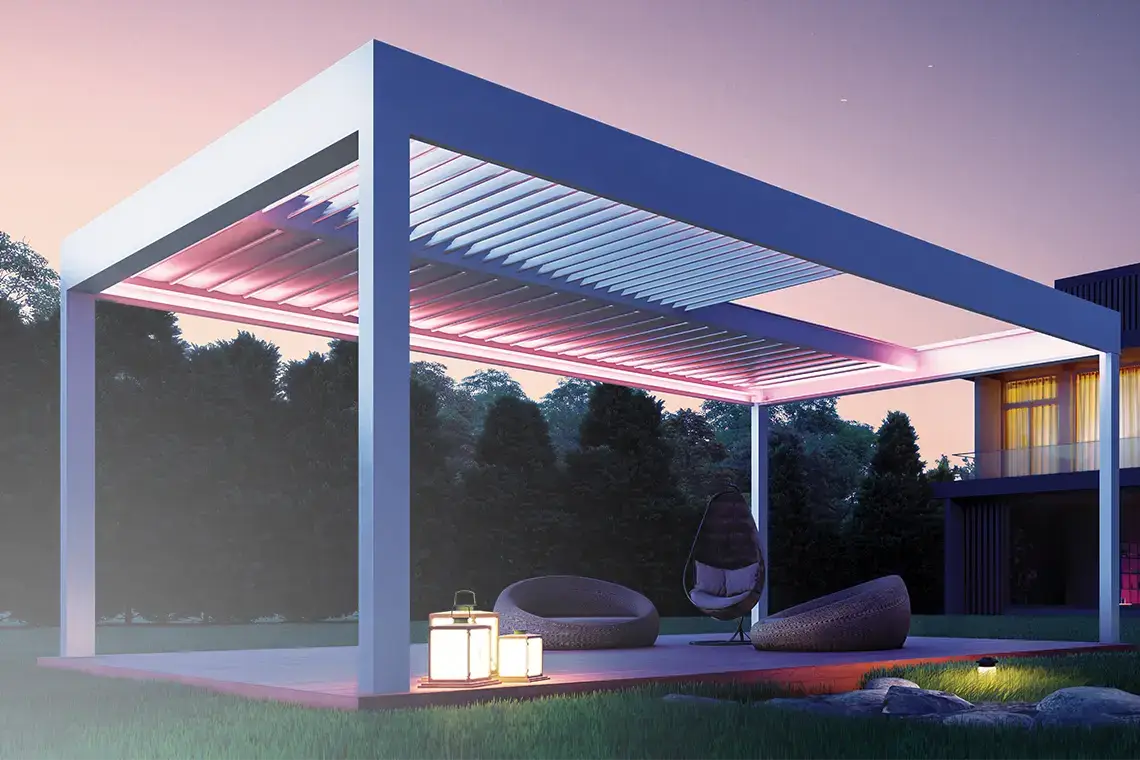
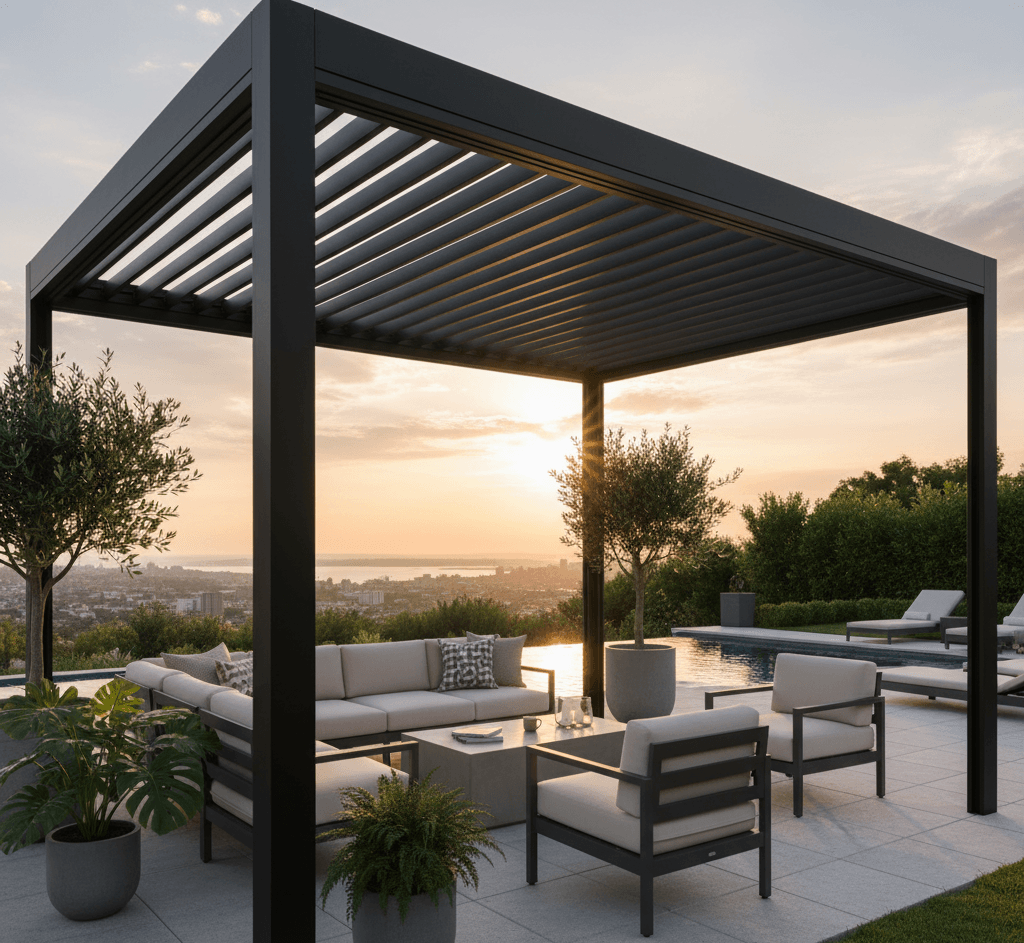
Tenteks’ Skyteks Bioclimatic Systems are engineered specifically with durability in mind. Their aluminum louvered roof structure not only allows sunlight control but also ensures complete waterproofing, making it a true four-season solution.
In short, durability in a pergola system means more than just strength—it means comfort, aesthetics, and long-term value.
Materials and Lifespan of Pergola Systems
The longevity of a pergola system largely depends on the construction materials, coating types, and mechanical components used. Different materials have different expected lifespans and resistance levels.
For example, aluminum profiles are lightweight, rust-resistant, and perfect for outdoor applications. A pergola made from high-grade aluminum can last 15–20 years without structural issues.
Common covering materials like PVC fabric and acrylic textiles resist UV and moisture but may require replacement every 5–10 years depending on exposure and care. European-manufactured fabrics tend to offer superior durability.
Motorized pergola systems include components like motors, rails, and sensors. Reputable brands such as Somfy and Becker ensure 10+ years of smooth operation. Tenteks’ retractable roof systems are built for both performance and endurance, offering added resistance to wind and rain.
Choosing durable materials is an upfront investment that saves on repair costs and preserves visual and functional integrity over time.
Factors That Affect Pergola Durability
A pergola’s actual lifespan depends not only on materials but also on external factors and user behavior. Key influencers include:
1. Climate Conditions
Salt air near coastlines can corrode metal surfaces. Snowy climates demand stronger roof structures to support heavy snow loads. Windy areas require reinforced systems with sturdy opening-closing mechanisms.
2. Installation Quality
Even the best materials can fail with poor installation. Errors in slope, drainage, or anchoring can lead to water pooling, structural strain, and premature damage. Tenteks offers professional installation for optimal stability and long-term use.
3. Maintenance Frequency
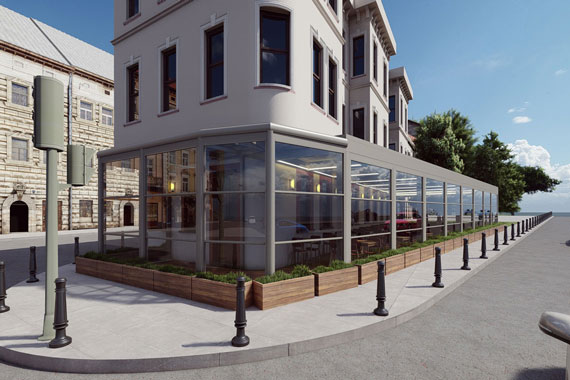
Experts recommend at least one detailed inspection and cleaning per year. Detecting early signs of fabric wear, rail obstruction, or motor malfunction can significantly extend the system’s life. This is particularly important for winter garden systems used year-round.
4. User Habits
Frequent manual operation, forcing mechanisms, or leaving the system open during storms can all shorten the pergola’s lifespan. For motorized systems, we highly recommend sensor automation to prevent misuse and ensure safe operation.
With the right materials, professional installation, and proper usage, pergola systems can last up to 15–20 years without issues. Backed by over 30 years of experience, Tenteks offers not only aesthetic value but also long-lasting, warranty-covered solutions. Our Skyteks Bioclimatic, retractable roof, and winter garden systems are among the best examples of this durability and functionality vision.