
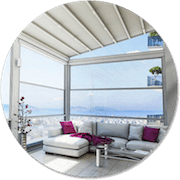


When deciding between retractable vs fixed awnings, it’s essential to consider the specific needs of your outdoor space. Retractable awnings offer flexibility and control, allowing you to extend or retract the cover based on weather conditions, while fixed awnings provide a permanent solution. Both options have their own advantages and drawbacks, including factors such as durability, cost, and aesthetic appeal. This guide will help you compare retractable vs fixed awnings so that you can determine the best choice for your home.
Retractable Awning vs Fixed Awning
When choosing an awning for your home, the first decision you will face is whether to go for a retractable or fixed option. Both types of awning serve the purpose of providing shade and protection, but the way they function differs significantly. A retractable awning vs fixed awning comparison reveals key distinctions in how they enhance your outdoor living area.
Retractable awnings are versatile as they can be extended or retracted based on the sun’s position or weather changes. This flexibility makes them ideal for homeowners who want to control the amount of shade. On the other hand, fixed awnings are permanent structures that provide constant coverage without any adjustments. If you prefer a no-maintenance solution, fixed awnings may be a better choice. Understanding the core differences will help you make a more informed decision for your space.

What Is The Difference Between A Fixed Awning And A Retractable Awning?
When analyzing the difference between a fixed awning and a retractable awning, several factors come into play, from functionality to aesthetic appeal. While both offer shade and protection, their operational mechanisms and maintenance requirements set them apart.
Flexibility and Control
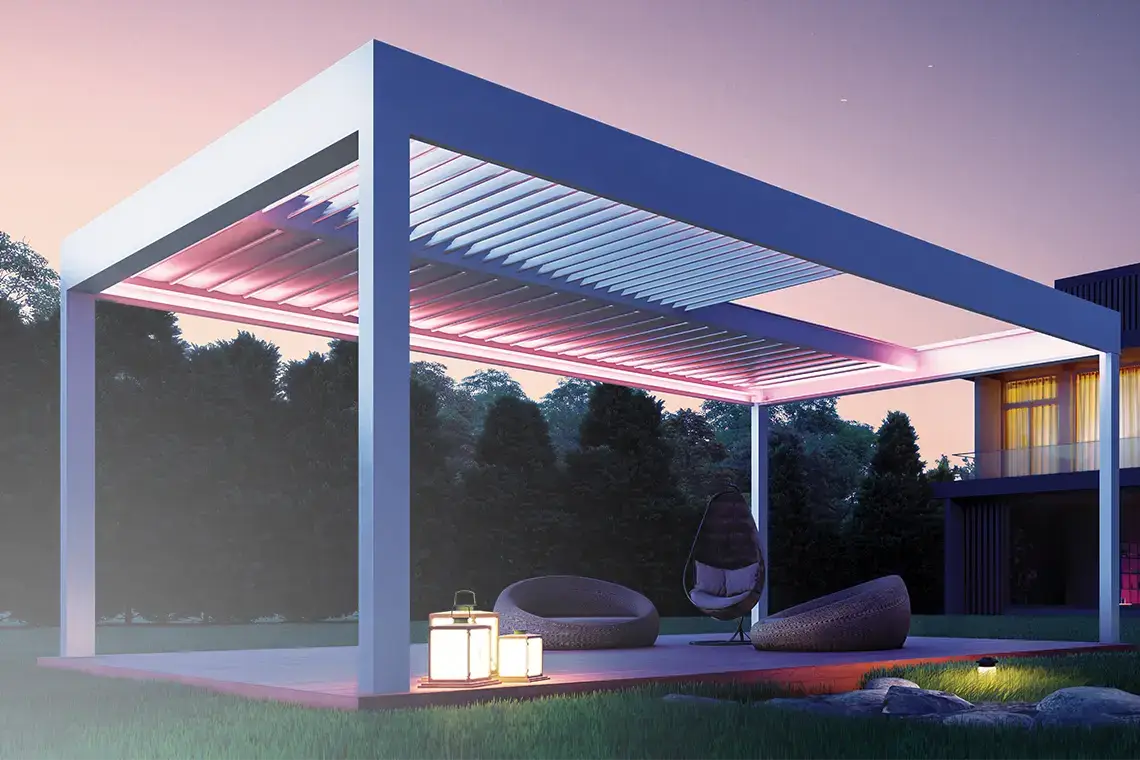
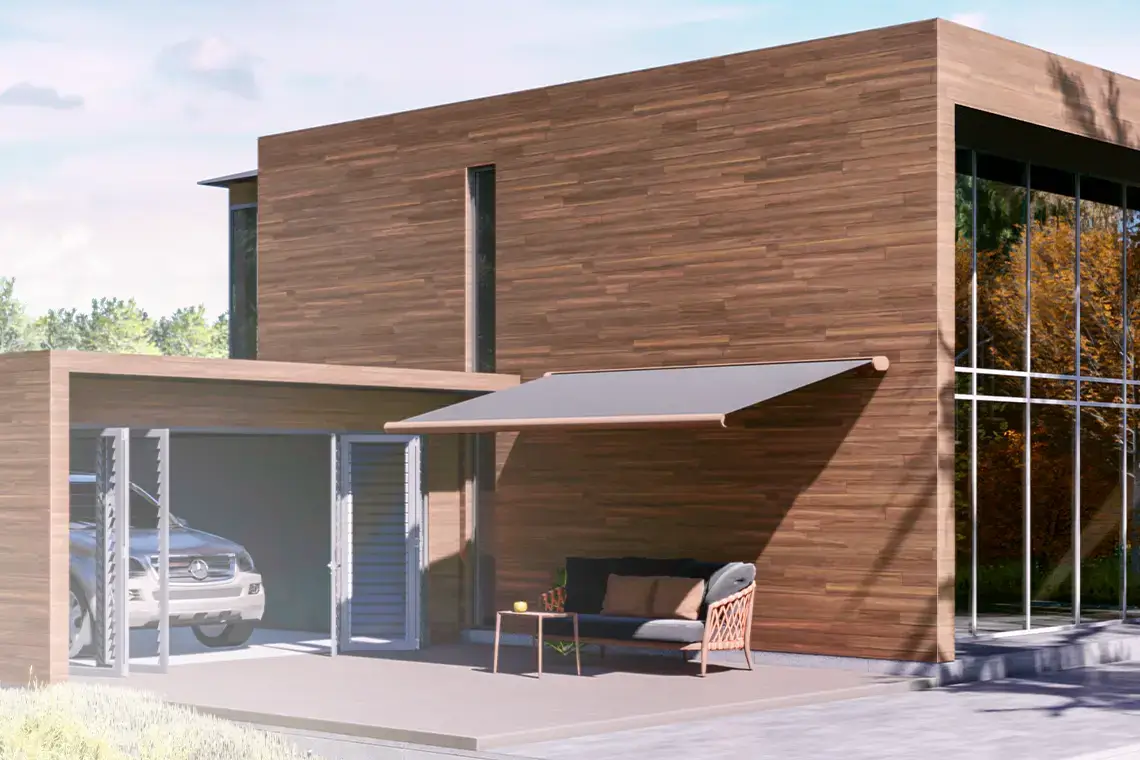
The primary difference lies in flexibility and control. A retractable awning offers superior control, allowing you to adjust it according to your preferences. On sunny days, you can extend the awning for full coverage, and when it’s cloudy or cool, you can retract it to enjoy the open sky. This functionality makes it more adaptable to changing weather conditions, making it a popular choice for areas with unpredictable climates.
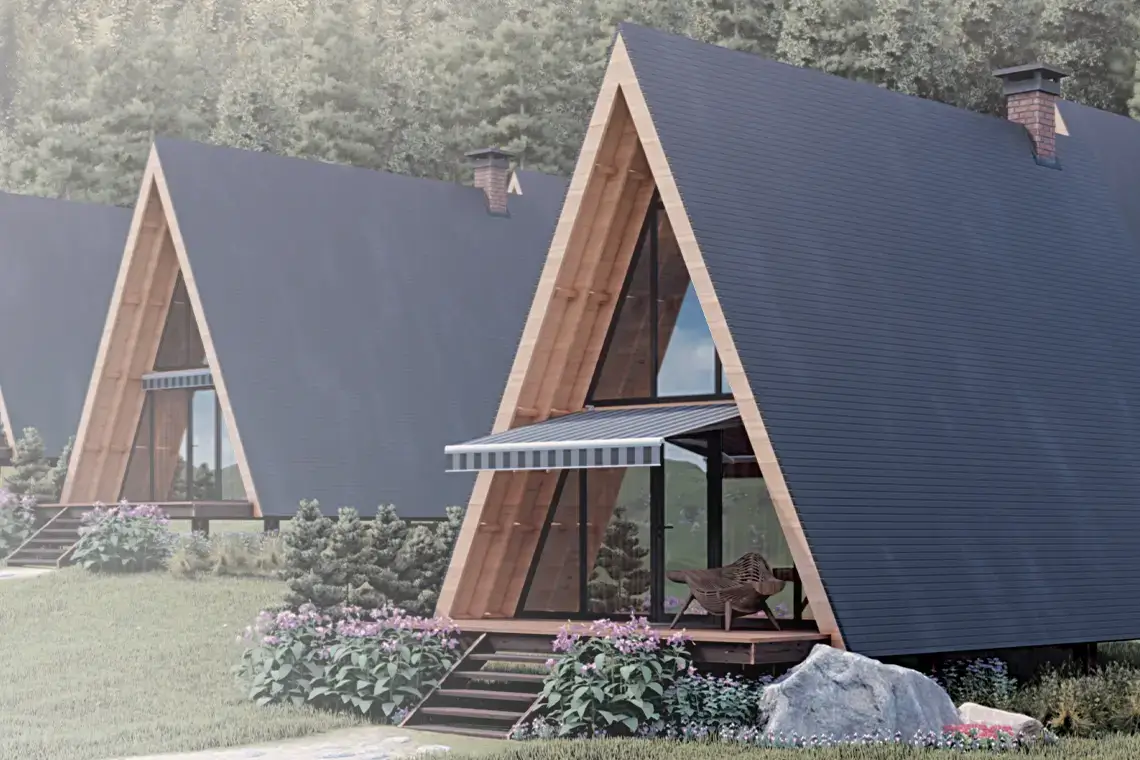
In contrast, fixed awnings are stationary and provide permanent shade. While they lack the flexibility of retractable models, they are reliable and consistently protect your outdoor areas from the elements. For those who prefer a hassle-free option without the need to constantly adjust the awning, fixed models offer simplicity and reliability.
Durability and Maintenance
Durability is another key distinction between the two types. Fixed awnings are typically sturdier because they are designed to withstand all types of weather. Made from durable materials such as metal or reinforced fabric, they are low-maintenance and can last for years without needing major repairs.
In contrast, retractable awnings are built with moving parts, which means they require more regular maintenance. The mechanical system used to retract and extend the awning can wear over time, and you may need to replace or repair certain components periodically. However, with proper care, retractable awnings can also last a long time, especially if the frame and fabric are made of high-quality materials.
Cost and Installation
When comparing retractable vs fixed awnings, cost and installation play a significant role in the decision-making process. Generally, fixed awnings tend to be more affordable upfront. Since they are simpler in design and have no moving parts, the installation process is more straightforward, which translates to lower installation costs. You can expect a fixed awning to be a one-time expense with minimal additional costs over time, as they require little to no maintenance.
However, retractable awnings are typically more expensive due to the additional mechanisms involved in their operation. The motorized or manual systems required to retract and extend the awning increase both the material and installation costs. If you opt for a motorized version, you may also incur additional expenses for electrical work. That said, many homeowners find the extra cost worthwhile because of the control and convenience retractable awnings provide.
Additionally, while the initial cost of a retractable awning may be higher, its adjustable nature can offer long-term savings by preventing excessive wear and tear on the fabric, which is exposed only when needed.
Aesthetic Appeal
Another important factor to consider when choosing between a retractable vs fixed awning is their aesthetic appeal. Both types come in a variety of designs, colors, and materials, allowing you to match your awning to the style of your home. However, each offers a different look and feel.
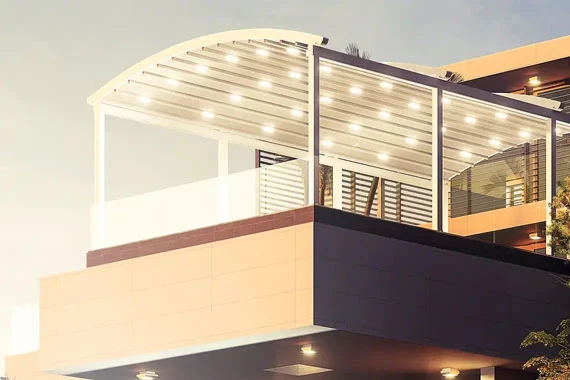
Retractable awnings offer a sleek and modern appearance. When retracted, they are virtually invisible, maintaining the natural look of your home’s exterior. This makes them ideal for homeowners who want to preserve their home’s aesthetics without a permanent structure altering the design.
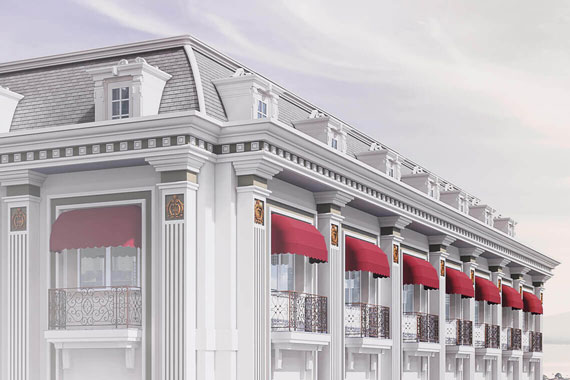
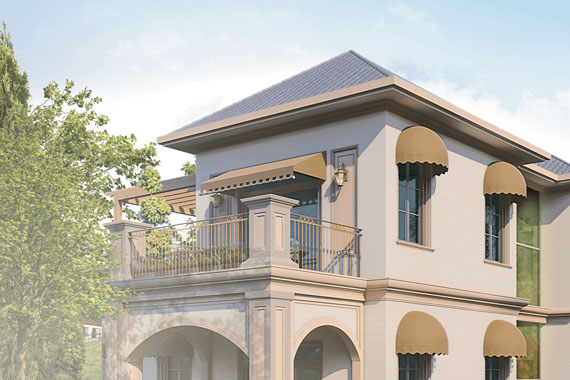
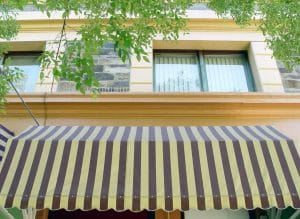
In contrast, fixed awnings often become a more integral part of your home’s design. Since they are permanent, they tend to have a more traditional and solid appearance. Fixed awnings can also be customized with decorative features like scalloped edges or wrought-iron supports, adding a classic touch to your home. The key is to choose a style that complements your home’s architecture while providing the functionality you need.
Energy Efficiency
One of the lesser-known benefits of installing awnings is their ability to enhance energy efficiency. Both retractable and fixed awnings can reduce the amount of heat entering your home, lowering cooling costs during hot months. However, the energy savings you experience will depend on how and when the awning is used.
A retractable awning allows for more strategic use, as it can be extended during the hottest parts of the day to block the sun and retracted during cooler periods to allow natural light inside. This flexibility can contribute to better energy management, especially in climates where the weather varies significantly throughout the year.
On the other hand, a fixed awning provides constant protection from the sun, which is particularly useful for rooms that receive direct sunlight throughout the day. By keeping these rooms cooler, fixed awnings can help reduce reliance on air conditioning, resulting in lower energy bills.