

Choosing a winter-suitable pergola is a strategic decision for anyone who wants to make outdoor spaces usable throughout all four seasons. Systems designed to withstand cold weather, snow, rain, and strong winds transform open areas into functional and comfortable living environments. In this guide, you will find all the technical and functional details you need to make the right pergola choice.
Why Are Pergolas Preferred in Winter?
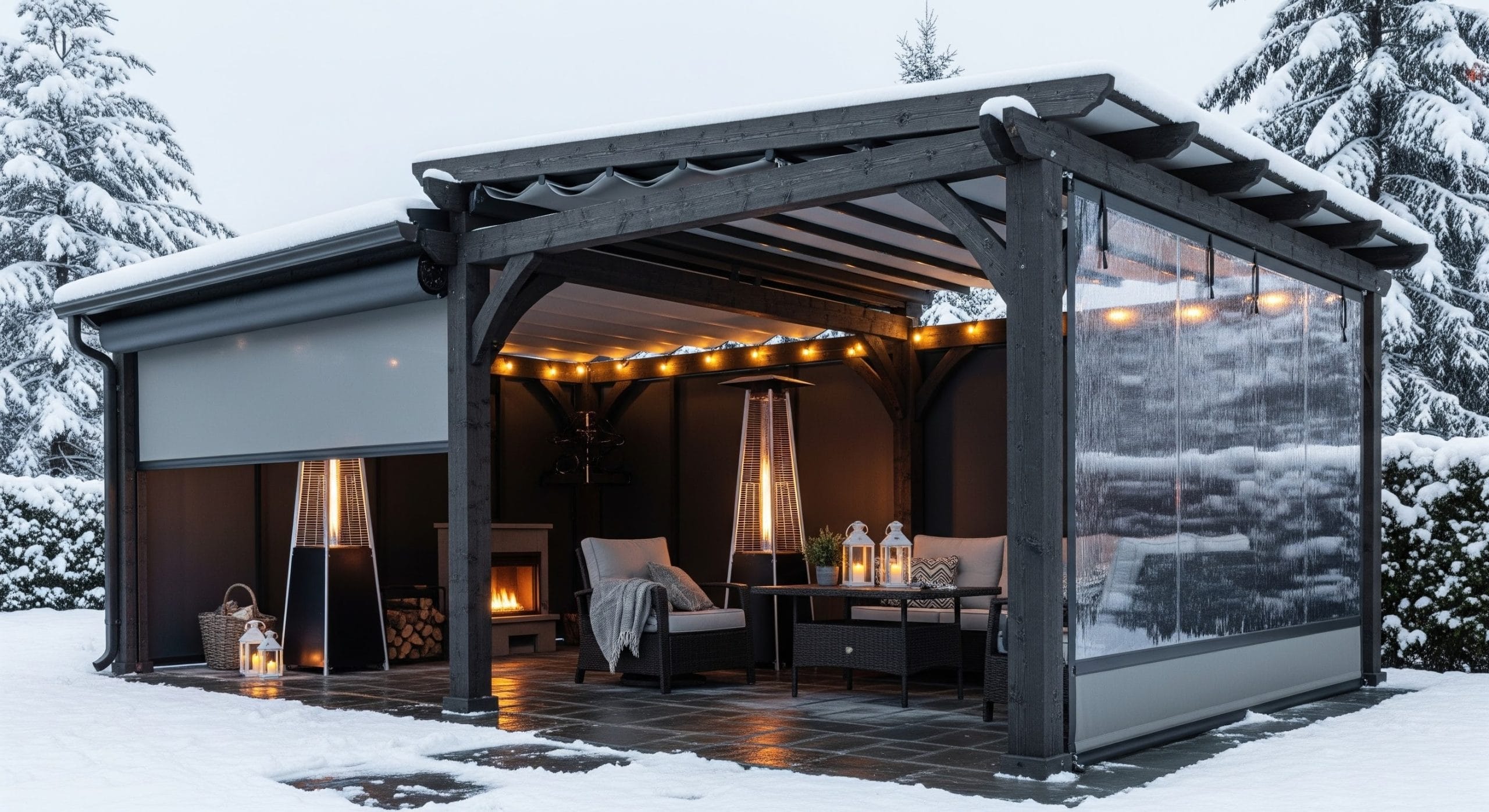
A winter-suitable pergola offers a major advantage by making outdoor spaces warm and usable during colder months. While traditional pergolas mainly provide shade in summer, winter-ready models are fully enclosed or equipped with controlled opening and closing systems. This ensures effective protection against snow, freezing winds, and heavy rainfall.
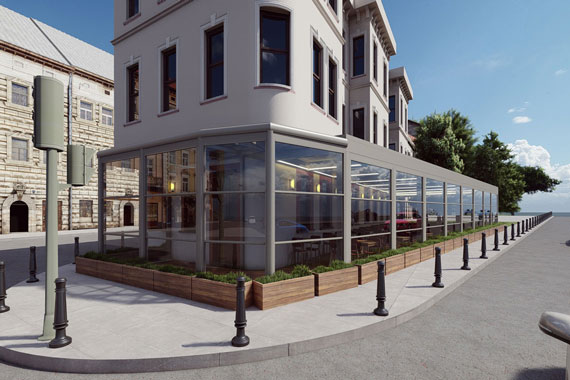
When supported with glass panels or transparent enclosure systems, pergolas allow natural light to enter while enhancing insulation. Combined with heating solutions, these systems enable outdoor spaces to be used year-round. This is especially beneficial for commercial businesses such as restaurants and cafés, as it increases customer capacity, while homeowners enjoy uninterrupted outdoor comfort throughout the year. For both comfort and economic efficiency, winter-suitable pergolas are a valuable investment.
Technical Criteria to Consider When Choosing a Winter-Suitable Pergola
Material Quality and Durability
The quality of materials is critical for a pergola to remain safe and long-lasting in winter conditions. Although wooden pergolas offer a natural and aesthetic appearance, they may crack or rot over time due to moisture, frost, and snow exposure. Therefore, pergolas designed for winter typically use corrosion-resistant materials such as aluminum or galvanized steel.
Aluminum profiles coated with electrostatic paint are highly resistant to external elements and require minimal maintenance. For roofing, materials such as polycarbonate, laminated glass, or PVC membranes with insulation properties should be preferred. High material quality not only ensures aesthetics but also structural safety.
Resistance to Snow and Rain Loads
Pergolas must be engineered to withstand heavy snow loads. Accumulated snow can create excessive weight, increasing the risk of collapse or deformation. An inclined roof design allows snow to slide off easily and prevents buildup.
Effective drainage systems are equally important. Concealed gutters, internal piping, or side channels ensure that rainwater does not collect on the roof. A properly designed winter pergola must offer high waterproofing performance with no leakage at joints.
Wind Resistance and Structural Stability
Strong winter winds can cause serious structural problems in outdoor constructions. Therefore, winter-suitable pergolas should be designed with robust anchoring systems and strong connections to the ground. A solid foundation prevents swaying or tipping.
Wind-blocking side panels or glass enclosures also improve comfort by reducing air flow inside the pergola. Certified and wind-tested systems are recommended for long-term safety.
Waterproofing and Drainage Efficiency
Waterproofing is as important as structural strength. Rain and melting snow must not leak into the pergola area. Sealed roof systems, water-resistant gaskets, and protective coatings are essential.
Drainage complements this process. Built-in gutters and internal channels allow controlled water discharge. Some advanced pergola systems even feature rain sensors that automatically close the roof when precipitation begins, ensuring year-round protection.
Comfort-Enhancing Features and Accessories
Integrated Heating Systems
One of the most important comfort features of winter pergolas is integrated heating. Infrared heaters are a popular choice as they directly warm people and objects, minimizing heat loss and providing rapid heating.
Other options include electric panel heaters or LPG systems, which can be mounted permanently or used as portable solutions. Remote-controlled and sensor-based systems further enhance convenience, especially in commercial areas.
Side Curtains, Glass Panels, and Enclosure Systems
Side enclosures significantly improve protection against wind, snow, and cold air. Waterproof fabric curtains can be motorized or manually operated and provide privacy as well as insulation.
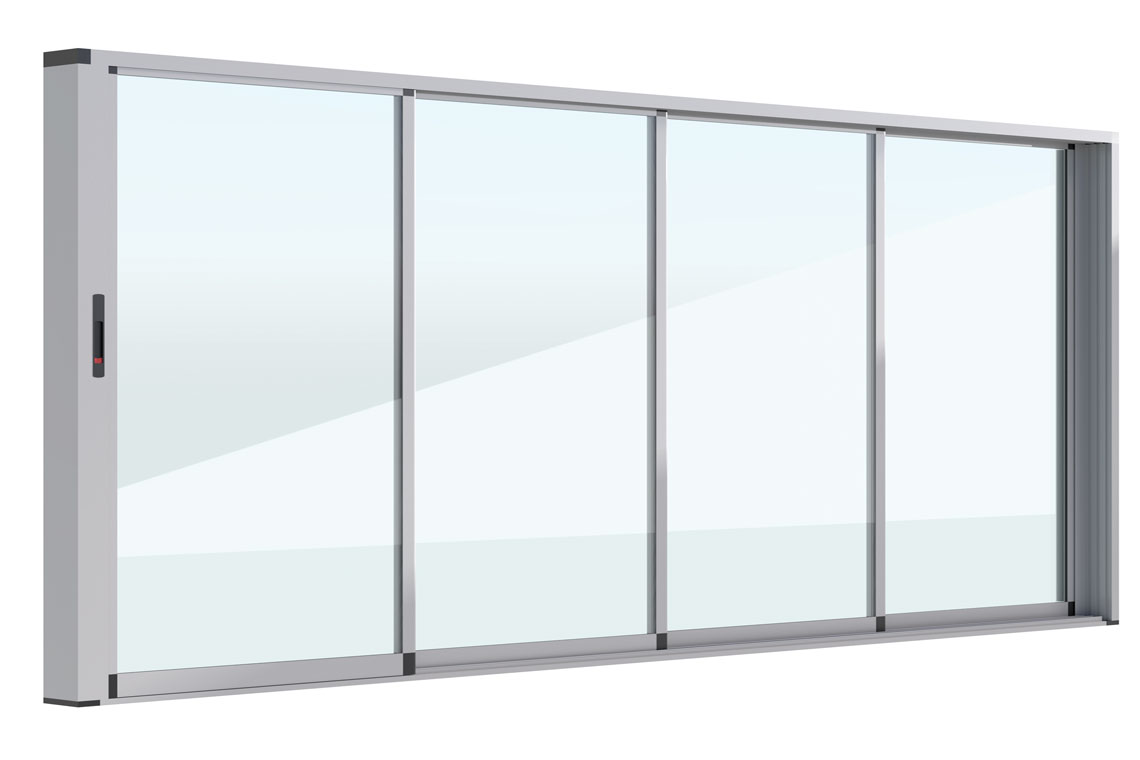
Sliding or folding glass panels offer a more permanent solution with superior insulation properties. Heat-insulated glass keeps indoor warmth inside while maintaining a clear view of the surroundings.
Lighting, Automation, and Smart Controls
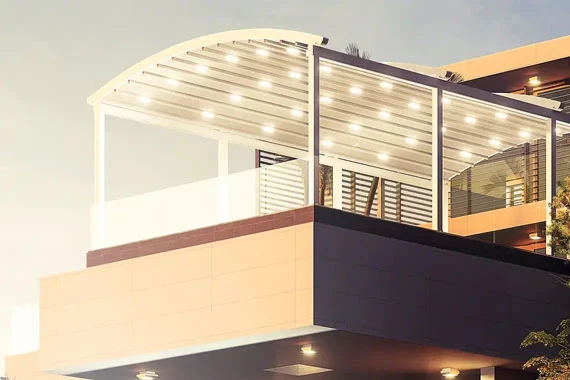
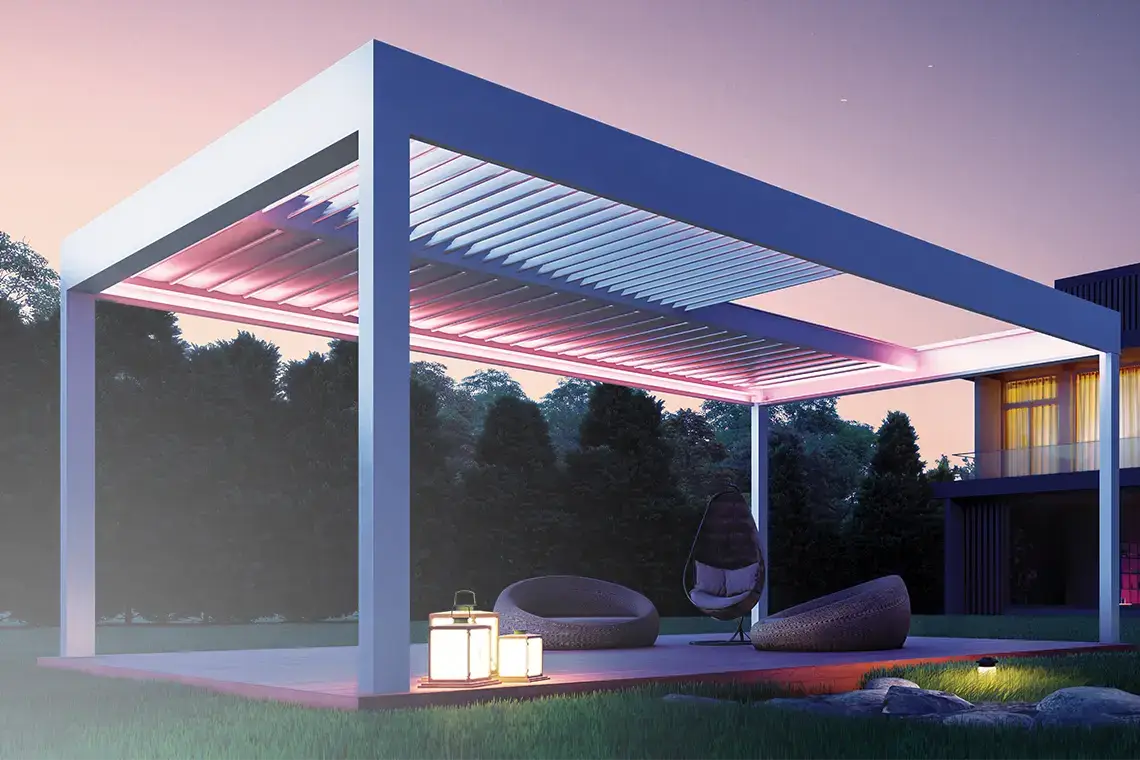
Since winter days are shorter, adequate lighting is essential. LED spotlights, strip lighting, or ceiling-integrated systems improve both functionality and aesthetics.
Smart automation systems allow users to control roof movement, curtains, lighting, and heating via remote control or smartphone applications. Sensor-based systems automatically close the roof in case of rain or strong winds, increasing both safety and durability.
Installation and Post-Installation Considerations
Advantages of Professional Installation
Proper installation is vital for long-term performance. Incorrect mounting can lead to leakage, instability, or wind vulnerability. Professional teams consider roof angle, ground slope, and load capacity during installation.
Engineering calculations ensure that the pergola is strong enough to withstand harsh winter conditions, giving users long-term reliability.
Seasonal Maintenance and Cleaning
Although winter-suitable pergolas are made from durable materials, regular maintenance is still necessary. Before and after winter, roof surfaces, gutters, and drainage channels should be cleaned of leaves, snow, and debris.
Fasteners and metal parts should be checked annually for looseness or corrosion. Motorized systems require periodic servicing, and glass surfaces should be cleaned using non-abrasive products.
Measures for Long-Term Use
Keeping the roof closed during heavy snowstorms or strong winds helps distribute loads evenly and protects the mechanism. Accessories such as curtains and glass systems should also be of high quality, and spare part availability should be considered.
Warranty coverage, technical service support, and availability of replacement parts are crucial factors for long-term satisfaction.
Making an Informed Decision When Choosing a Winter-Suitable Pergola
Selecting a winter-suitable pergola allows outdoor living spaces to be enjoyed year-round. Decisions should not be based solely on appearance or price but also on durability, comfort, safety, and technical performance.
High-quality materials, resistance to snow and wind, effective waterproofing, professional installation, and regular maintenance all contribute to a long-lasting and efficient system. Combined with heating, smart controls, and enclosure features, a winter-suitable pergola becomes a valuable long-term investment for both residential and commercial use.