
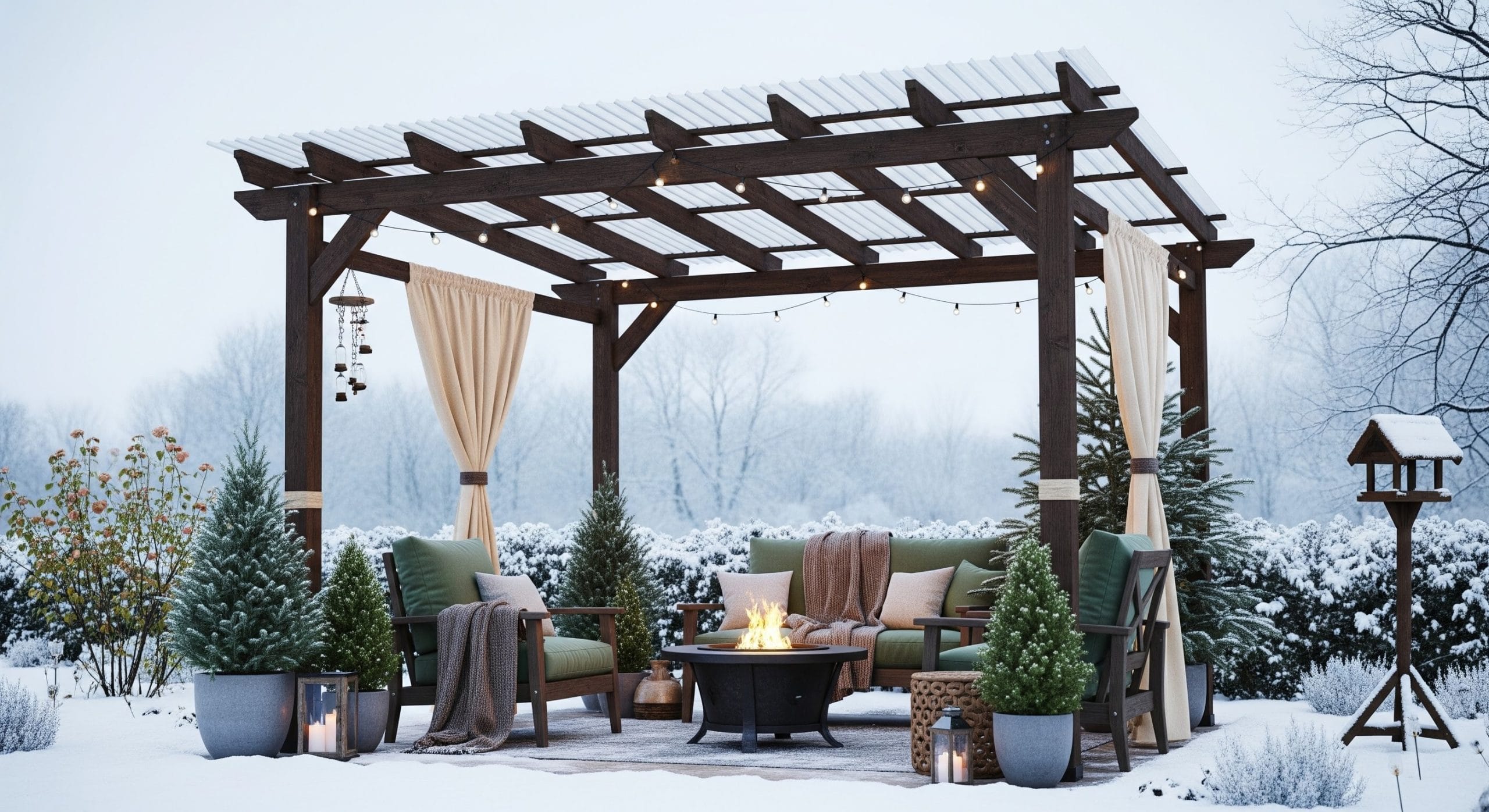

Using pergolas in winter has become one of the most effective ways to make outdoor spaces livable throughout the year. For homeowners and businesses looking to maintain outdoor comfort during cold months, modern pergola systems offer the perfect blend of functionality and aesthetics. Especially for cafes and restaurants that want to expand customer seating or for homes seeking year round terrace and garden comfort, winter-ready pergolas provide high resistance to harsh weather when selected and installed correctly. So, can pergolas truly be used in winter? Under what conditions do they perform effectively? In this guide, we examine the performance of pergola systems during winter, their advantages, and the technical considerations that ensure optimal results.
Is Winter Pergola Use Possible?
Yes, using pergolas in winter is absolutely possible. Once considered a summer only solution, pergolas have evolved significantly thanks to modern technology. Today, they function as protective outdoor structures rather than simple shading elements. Advanced pergola models feature waterproof fabrics, durable aluminum structures, automated retractable roofs, and integrated heating technologies that perform exceptionally well against snow, rain, and cold weather. However, choosing the right system and ensuring professional installation are essential for maximum efficiency. Many models are now specifically designed for four season use, making winter pergola use both practical and reliable.
Are Pergola Systems Resistant to Cold Weather?
Modern pergola systems are highly resistant to cold weather, particularly those made of aluminum or steel. Material quality, installation technique, and airtightness play major roles in winter performance. When supported with insulated glass panels or zip screen systems, pergolas maintain indoor warmth while minimizing the impact of outdoor cold. Motorized pergolas equipped with sensors can automatically close their roofs during heavy rain or snowfall. These features make pergolas a suitable choice for anyone wishing to enjoy outdoor spaces even on the coldest winter days.
Which Pergola Types Are Best for Winter?
Certain pergola models deliver superior performance during winter. The most ideal options include:
Bioclimatic Pergolas
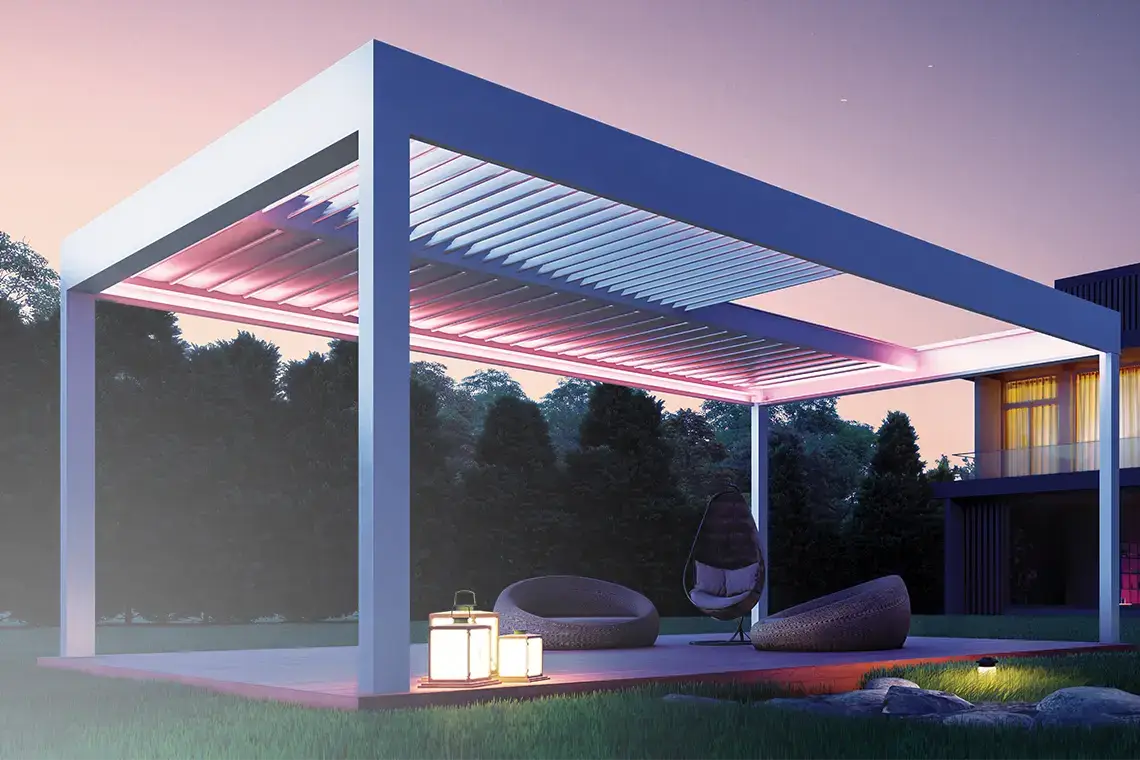
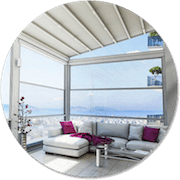
These systems feature adjustable aluminum louvers that offer strong resistance to rain, snow, and wind. When fully closed, the louvers create an insulated structure while allowing natural ventilation when partially opened.
Glass Enclosed Pergolas
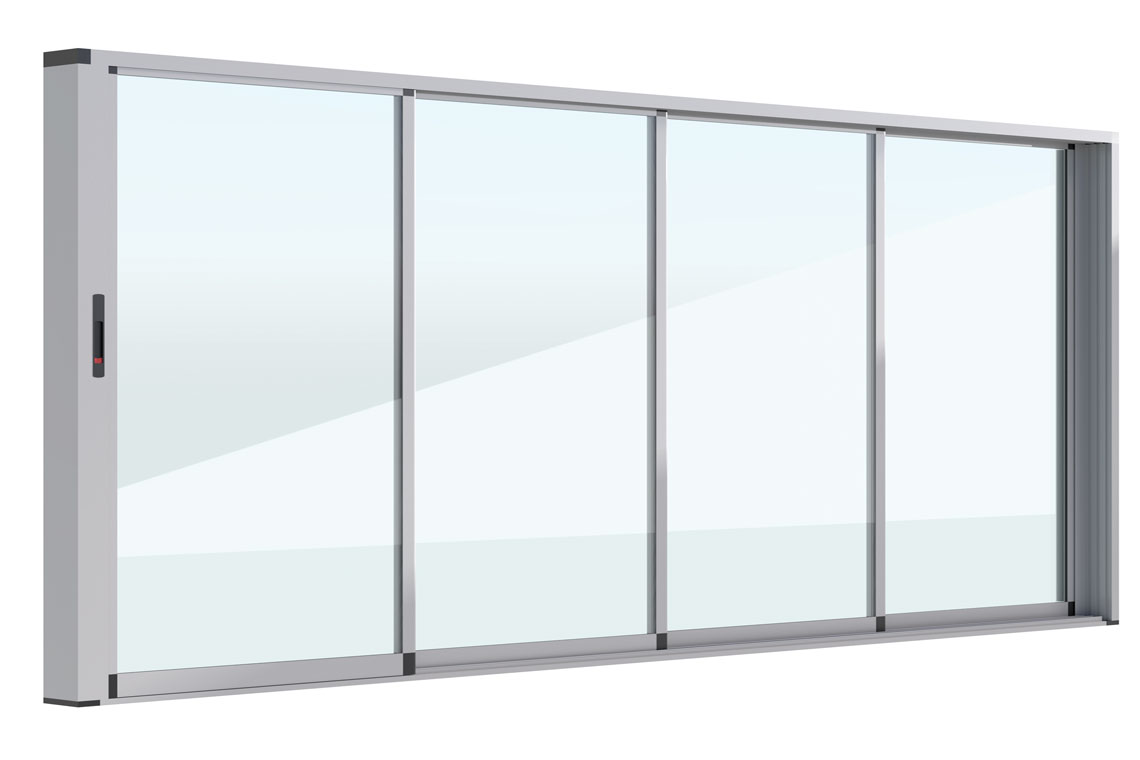
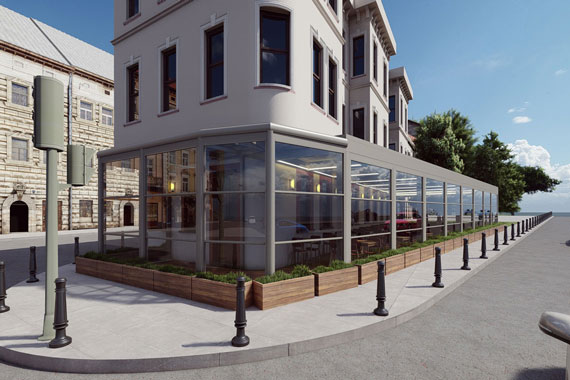
When combined with sliding glass systems, pergolas become visually elegant enclosed spaces. This setup prevents heat loss, blocks wind, and turns the area into a winter garden.
Motorized and Automatic Pergolas
Sensor controlled systems automatically close the roof during sudden weather changes, providing extra protection during winter.
Pergolas with Integrated Heating Compatibility
Models designed to support infrared heaters, portable heating units, or underfloor heating make winter usage highly comfortable.
Choosing any of these options ensures maximum efficiency, comfort, and durability during the winter season.
Advantages of Using Pergolas in Winter
Using pergolas in winter does more than protect outdoor areas. It enhances living spaces, improves comfort, and increases the operational capacity of commercial venues. Pergolas shield against rain, snow, and wind, making open areas usable even in unpredictable seasonal transitions. Restaurants and cafes can maintain customer seating throughout the winter, while homeowners enjoy their terraces, balconies, and gardens all year long. Glass enclosed and bioclimatic systems help maintain temperature control, ensuring the same comfort level as indoor spaces. Pergolas also contribute to energy efficiency, as properly insulated spaces retain warm air and reduce heating costs.
Extends the Use of Outdoor Areas
During winter, terraces, gardens, verandas, and café outdoor seating areas often become unusable due to cold and rain. Pergola systems transform these spaces into functional year round environments. For commercial businesses, this prevents seasonal capacity loss. For homes, it turns outdoor spaces into warm, cozy environments suitable for family gatherings even in cold weather. When supported with glass enclosures and heating systems, pergolas combine the comfort of indoor spaces with the refreshing atmosphere of the outdoors.
Offers Both Aesthetics and Comfort
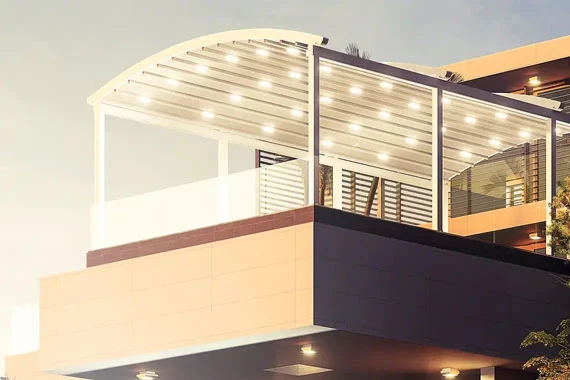
Modern pergolas are designed to complement architectural aesthetics. Winter ready pergola systems are not only functional but also visually appealing. LED lighting, motorized roofs, and sleek aluminum structures elevate the overall look of residential and commercial properties. Glass enclosures create a winter garden effect, adding sophistication and enhancing property value. The quality materials and insulation solutions used in winter pergolas ensure maximum comfort by maintaining warmth within the enclosed space.
Precautions for Using Pergolas in Winter
Although pergolas provide comfort and usability during winter, proper technical measures must be taken to ensure optimal performance. Cold temperatures, rainfall, snow load, and heavy winds can affect pergola efficiency. Heating integration, glass enclosures, waterproofing, and snow load durability are all crucial considerations. Purchasing a high quality pergola is not enough on its own. Professional installation and choosing a model specifically designed for winter use are essential. These precautions ensure long term durability, safety, and comfort.
Heating Systems and Glass Enclosures
Heating solutions are necessary for making pergola covered areas comfortable in winter. Infrared heaters are widely preferred due to their effectiveness in outdoor environments and energy efficiency. Additional heating solutions such as underfloor heating or portable heaters can also be incorporated. Surrounding the pergola with sliding glass panels significantly improves insulation, blocks wind, and traps warm air inside. These panels can be opened or closed as needed, enabling four season usability. In regions with strong winds or heavy rain, glass enclosures are essential for comfort and safety.
Waterproofing and Snow Load Resistance
Water leakage and snow accumulation are the biggest challenges winter pergolas face. Therefore, waterproof roofing materials and slightly sloped roof designs are crucial. Drainage channels prevent water buildup and protect the structure. Snow resistant roof systems, especially bioclimatic louvers and aluminum panels, are designed to withstand heavy loads. The support beams and structural framework must also meet strength standards to prevent collapse during winter. These structural requirements are important for safety and long term durability.