

Today, pergola systems that make outdoor spaces usable in all seasons have become indispensable for modern living. From cafés and restaurants to villas and terraces, pergolas offer both aesthetic and functional benefits.
However, one question often arises among users:
What is the difference between a bioclimatic pergola and a classic pergola?
In this article, we’ll take an in-depth look at the differences between these two systems—from their structural designs to their comfort and performance advantages.
What Is a Pergola? A Brief Overview
The word pergola comes from Italian and simply means shade structure. Essentially, a pergola is a shading system designed to protect outdoor spaces from sunlight, rain, or wind.
With advancing technology, pergolas have evolved far beyond fixed wooden shades into automated, sensor-based, remote-controlled systems—and this is where bioclimatic pergolas come into play.
What Is a Bioclimatic Pergola?
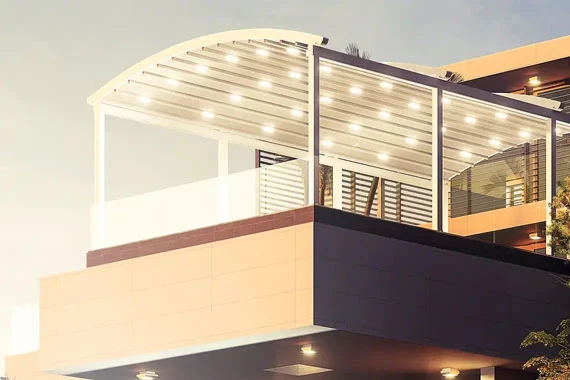
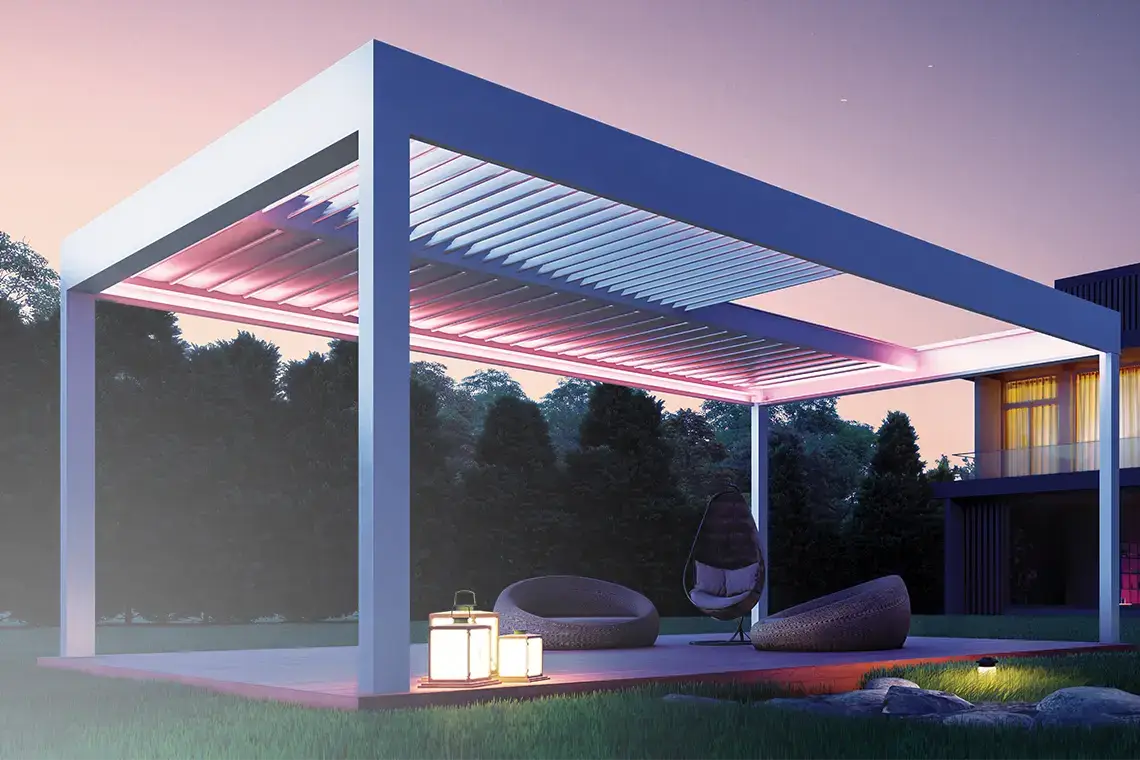
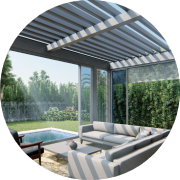
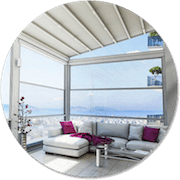
A bioclimatic pergola is a smart roof system made up of aluminum louvers that can be rotated or retracted using a motorized mechanism.
The adjustable panels allow you to precisely control sunlight, airflow, and rain protection.
You can open the panels to let in natural light, or close them completely for full shelter—creating a comfortable environment in every season.
Key Features of Bioclimatic Pergolas
- Fully motorized operation – Controlled via remote or smart sensors.
- Built-in drainage system – Channels water through hidden gutters when panels are closed.
- Natural air circulation – Adjustable panel angles allow ventilation.
- High durability – Aluminum and stainless steel structure resists harsh weather.
- Modern aesthetics – Sleek, minimalist design fits any architectural style.
What Is a Classic Pergola?
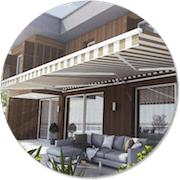
A classic pergola is typically made of a fixed structure—wood, aluminum, or steel—covered with fabric or polycarbonate panels.
Compared to bioclimatic systems, it has a simpler mechanical design.
Key Features of Classic Pergolas
- Provides fixed or semi-adjustable shading.
- May include manual or motorized retractable fabric systems.
- More affordable than advanced systems.
- Requires more maintenance, especially for fabric models.
- Visually customizable, but less resistant to wind and heavy rain.
Key Differences Between Bioclimatic and Classic Pergolas
Let’s explore the main distinctions between these two systems in terms of materials, design, and performance.
1. Materials and Durability
Classic pergolas usually use PVC or acrylic fabrics, while bioclimatic pergolas are built with aluminum louvers and stainless-steel frames.
This makes bioclimatic systems much more durable and resistant to weather conditions like wind, rain, and UV rays.
2. Shading Control
Classic pergolas can only be opened or closed.
Bioclimatic pergolas, on the other hand, allow louver angles between 0° and 135°, giving users full control over sunlight exposure—creating full shade, partial shade, or full light whenever desired.
3. Air Circulation
Airflow is limited in classic pergolas, often causing heat buildup underneath.
Bioclimatic pergolas allow natural ventilation through adjustable panels, creating a cooler environment, especially in summer.
4. Rainwater Drainage
In classic pergolas, water tends to pool on the surface or drip from the edges.
Bioclimatic pergolas feature integrated rainwater channels that discreetly drain water through internal pipes, preventing leaks and protecting the area below.
5. Energy Efficiency
Bioclimatic systems provide passive energy savings by controlling natural light and airflow.
In winter, they let in sunlight for warmth; in summer, they block direct rays to keep the area cool.
Classic pergolas lack this level of energy control.
6. Aesthetics and Architectural Adaptability
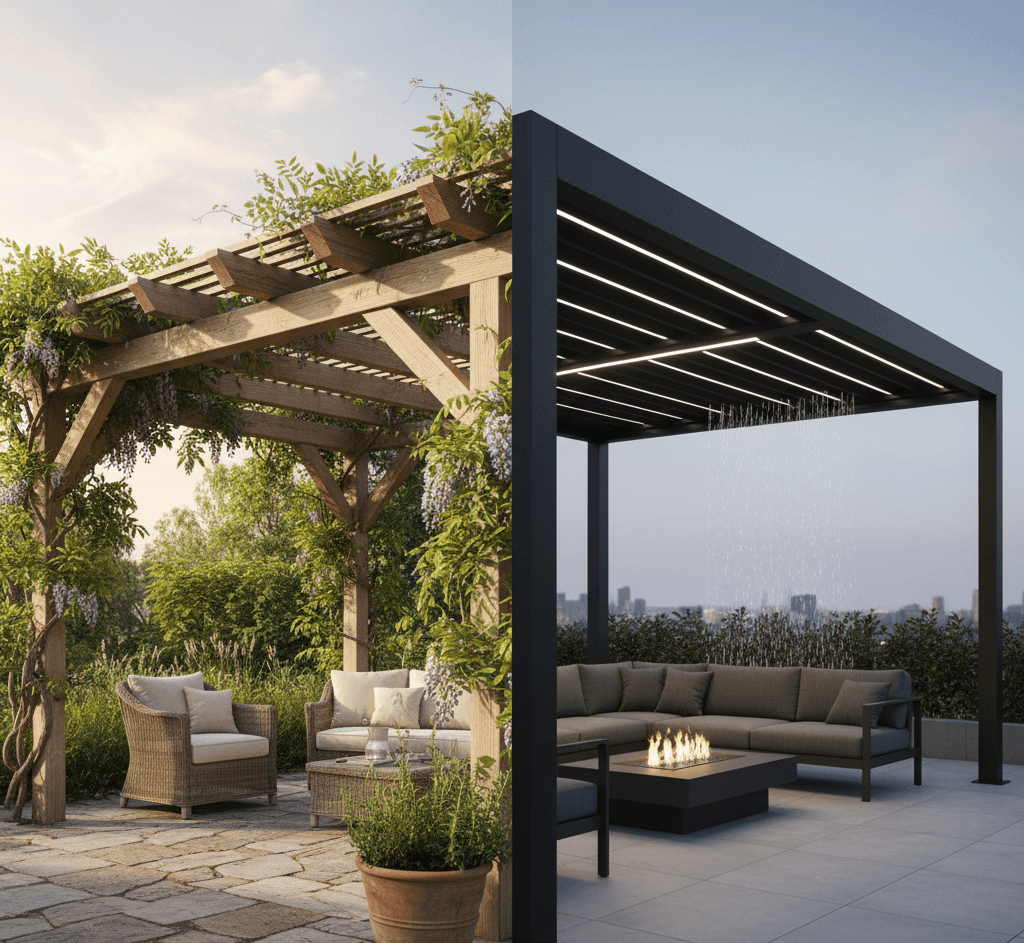
Classic pergolas are often preferred for traditional or rustic settings.
Bioclimatic systems, however, are the hallmark of modern architecture—featuring clean lines, integrated LED lighting, and seamless finishes that enhance outdoor luxury.
7. Cost and Long-Term Value
While classic pergolas are more affordable initially, bioclimatic pergolas provide better long-term value through durability, low maintenance, and energy efficiency.
They also increase property value and elevate the overall design of your outdoor area.
Who Should Choose a Bioclimatic Pergola?
- Restaurants & cafés – To expand seating capacity year-round.
- Homeowners & villa owners – For a usable garden or terrace in all seasons.
- Hotels & resorts – To enhance guest comfort and brand image.
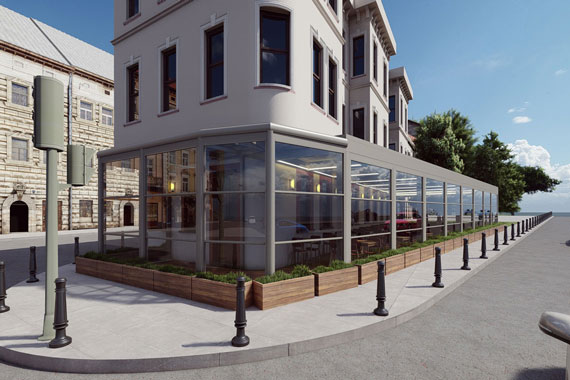
- Commercial properties – To create comfortable, weatherproof outdoor areas for customers.
Tenteks Bioclimatic Pergola Solutions
As a leading name in outdoor shading systems, Tenteks offers advanced bioclimatic pergola designs combining technology, aesthetics, and durability.
Each Tenteks system is built with high-strength aluminum, integrated drainage, and smart motor technology—customized to fit the dimensions and style of your space.
Which One Should You Choose?
While classic pergolas remain a practical and budget-friendly solution, bioclimatic pergolas stand out as a modern, long-lasting, and smart investment.
Your choice should depend on your space, usage needs, and budget.
If you’re looking to enjoy your outdoor space comfortably throughout the year, a bioclimatic pergola system is undoubtedly the best choice.