
Outdoor Shading Systems Selection Guide

For anyone seeking comfort and usability in open spaces, outdoor shading systems are indispensable. However, when choosing a system, it’s not just about appearance — technical suitability, durability, user habits, and spatial characteristics should also be considered.
In this article, we’ll explore how to select the most appropriate outdoor shading system for your needs from both a technical and practical perspective.
Why Outdoor Shading Matters
In outdoor areas such as terraces, balconies, winter gardens, restaurant patios, or poolside spaces, direct exposure to sun, wind, and rain limits usability. Shading systems help by:
- Controlling sunlight
- Providing UV protection
- Reducing heat and enhancing comfort
- Preventing fading of furniture and surfaces
- Allowing year-round use of the area
However, there isn’t a single “best” solution for all outdoor spaces — the right system depends on specific needs and environmental factors.
1. Choosing the Right System for Each Area
Terraces and Open Gardens
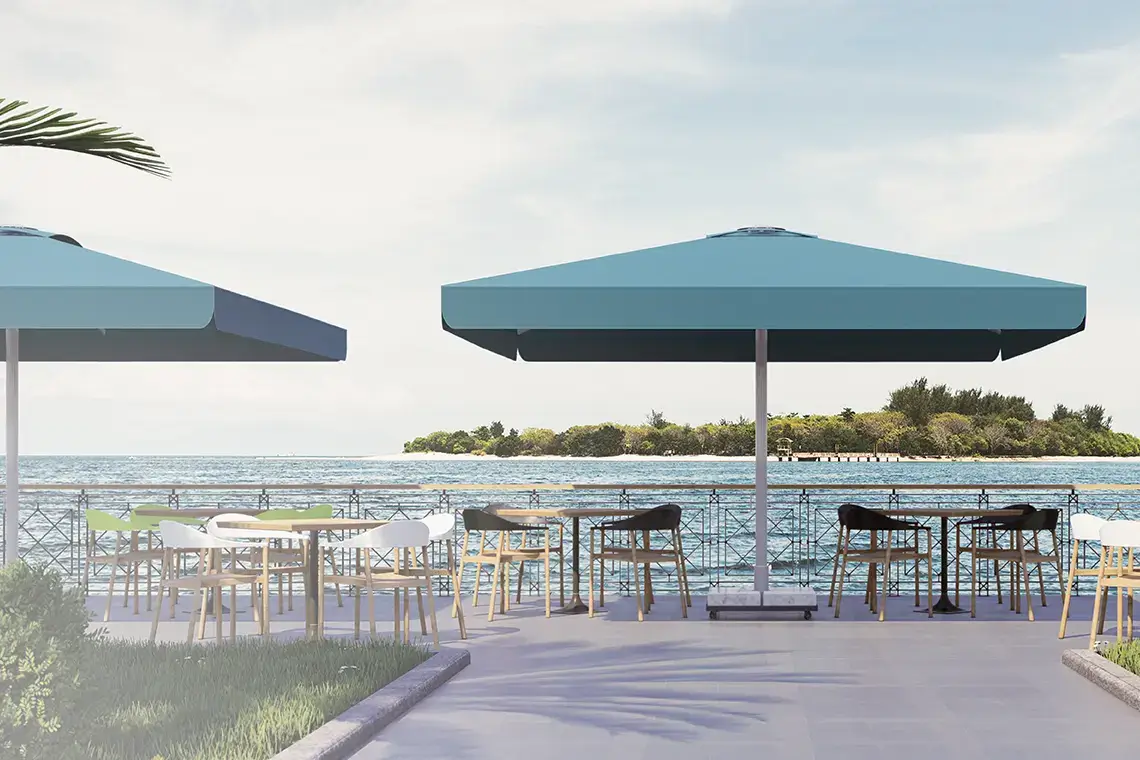
These wide areas require motorized systems with water drainage capabilities for optimal comfort.
Recommended systems:
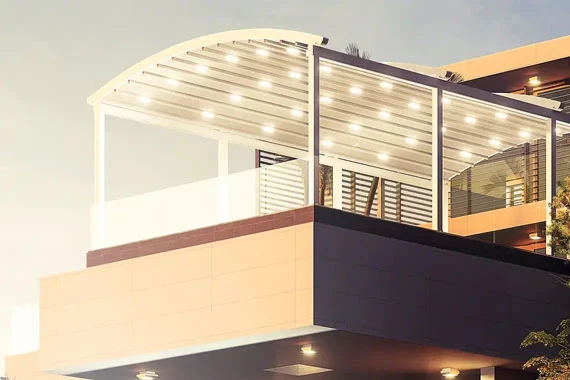
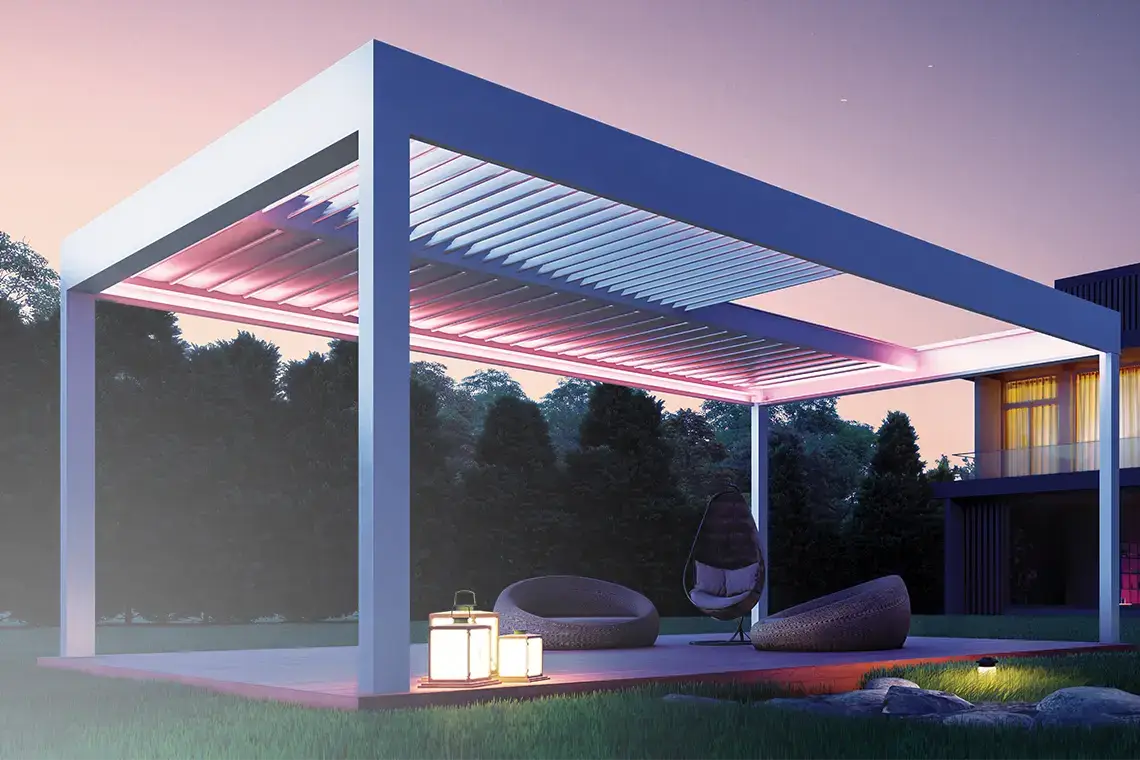
- Pergola systems (retractable roofs)
- Zip screen side enclosures
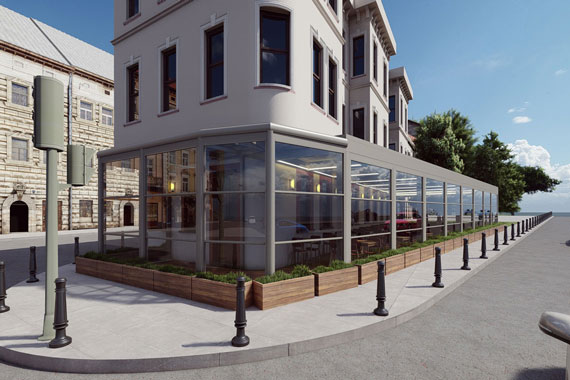
- Guillotine glass systems for full protection
Balconies
For smaller, confined spaces, compact and minimal designs are preferred.
Recommended systems:
- Motorized awnings
- Zip screens
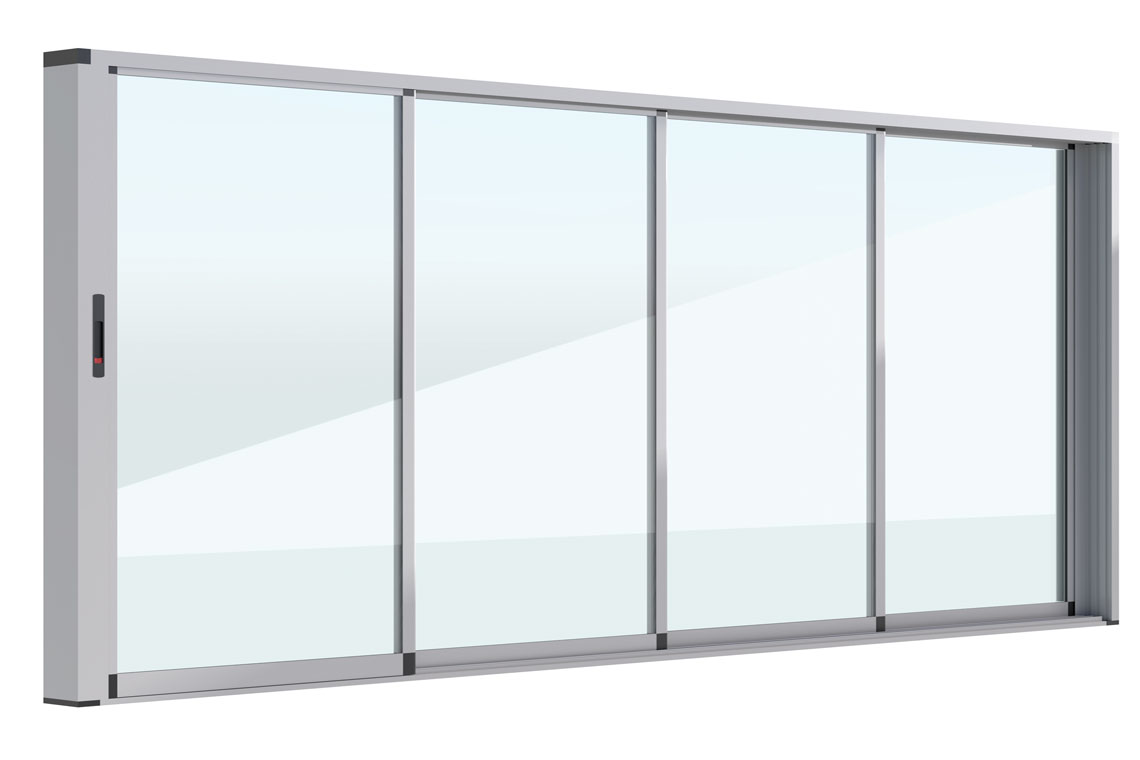
- Sliding glass + roller blind combinations
Winter Gardens & Glass Roofs
Areas with large glass surfaces receive intense sunlight and heat. Shading here must also function as temperature control.
Recommended systems:
- Under-glass zip screens
- Heat-reflective screen fabrics
- RTS motorized shading systems
2. Durability According to Weather Conditions
The durability of an outdoor shading system depends on the local climate — especially wind, rain, and sun intensity.
| Climate Condition | Recommended System Types |
| Windy areas | Zip screen, guillotine glass, pergola |
| High sun exposure | Heat-reflective screen fabric systems |
| Heavy rainfall | Water-drainage pergolas, fixed enclosures |
In these regions, fabric, profiles, and installation quality must be certified and weather-resistant.
3. Fabric and Material Selection
The type of fabric used is as important as the system itself.
- Acrylic fabrics: Resistant to fading and UV rays
- PVC (transparent) fabrics: Waterproof and clear for visibility
- Screen fabrics: Allow filtered light and preserve views
- Blackout fabrics: Ideal for total shading and privacy
Additionally, aluminum profiles should be powder-coated and corrosion-resistant for long-lasting performance.
4. Operation and Control Options
Choose the control method according to your usage habits and budget.
- Manual systems: Suitable for smaller spaces and lower budgets
- Motorized systems: Offer comfort and effortless control
- RTS (Remote & Sensor Systems): Smart-home integration with wind/sun sensors
- Mobile app control: Modern solutions that allow remote operation
For instance, restaurants benefit greatly from motorized and automated systems, improving service comfort and customer experience.
5. Aesthetic and Architectural Harmony
Visual harmony plays an essential role alongside functionality.
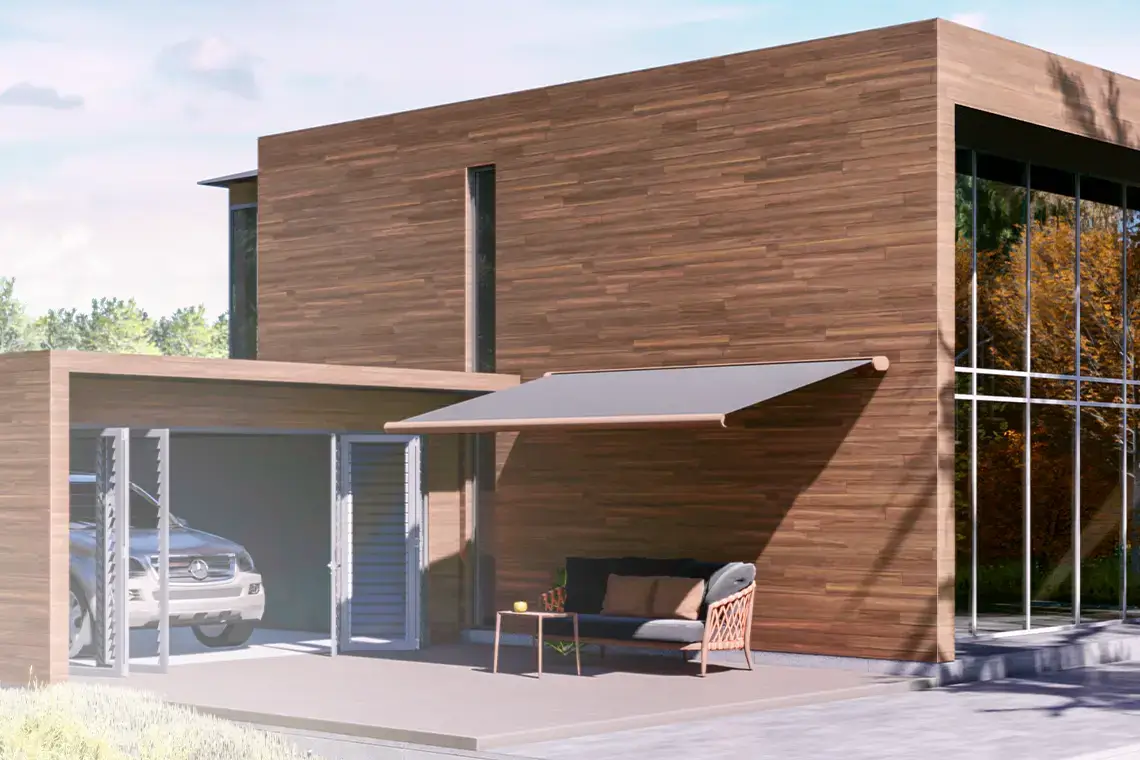
- Modern façades: Zip screens and sliding glass systems offer sleek minimalism
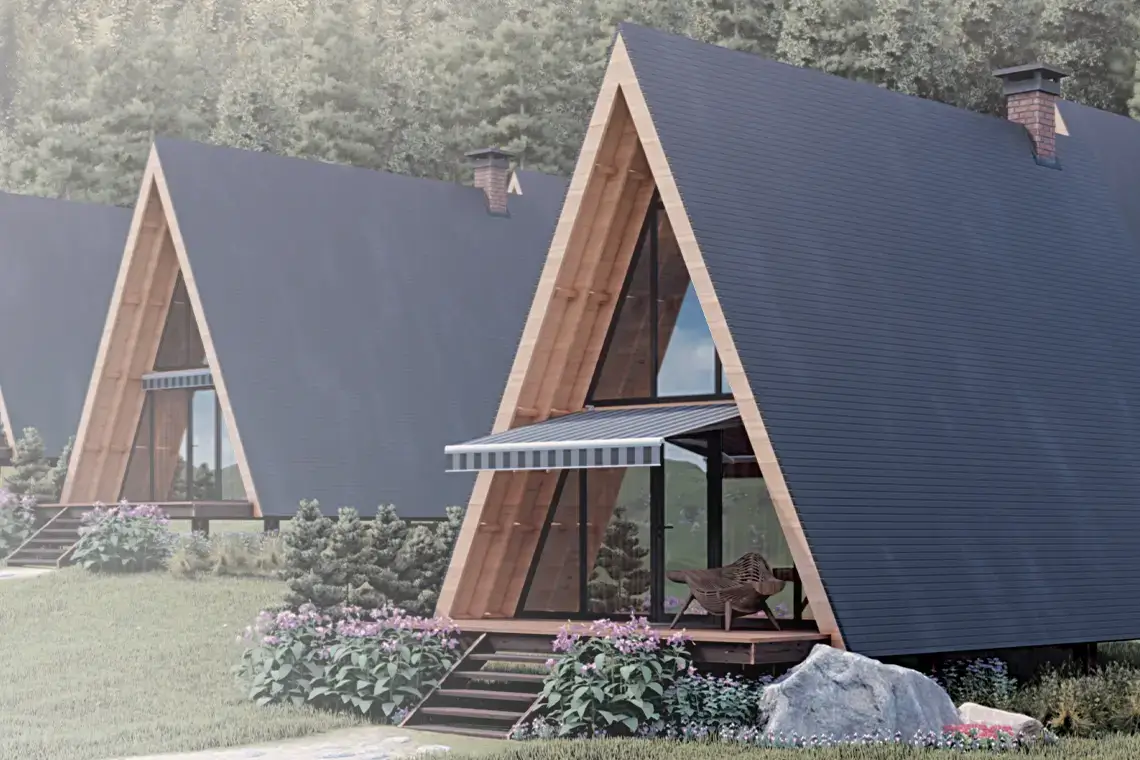
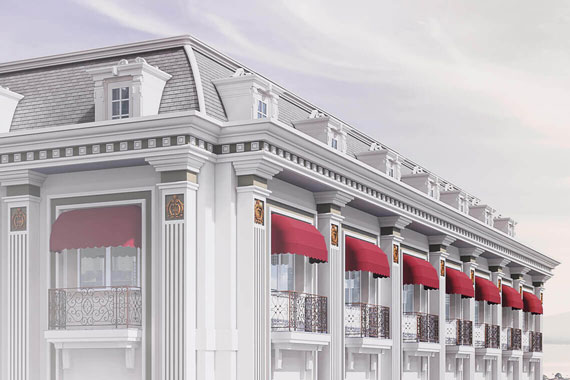
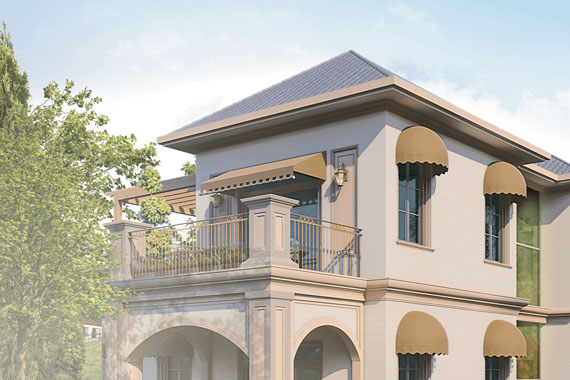
- Classic buildings: Wooden pergolas or traditional awnings create a natural look
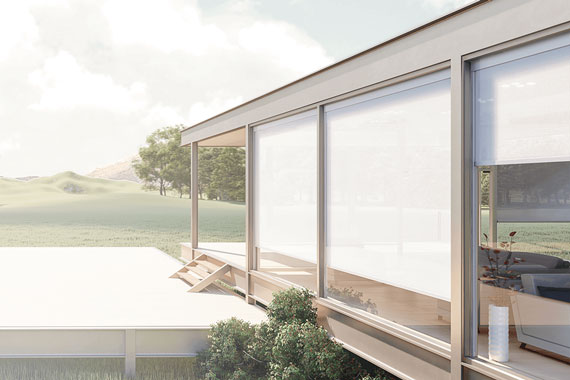
- Transparent solutions: Provide shade without blocking the view
A well-chosen shading system should not only serve a purpose — it should enhance the architectural character of the space.
The Right System for the Right Space
When selecting an outdoor shading system, price or appearance alone should not be the main deciding factors. Consider the structure of the area, climate, frequency of use, and expectations together.
No single system can meet all needs — but the right combination can deliver lasting comfort, style, and energy efficiency throughout the year.