
The right lock suits the construction of the panel you want to secure, the profile layout, and your everyday access needs. Start by identifying which panel needs to be secured and where it should lock. Then check how the lock engages with the strike, how much clearance it needs to operate, and whether the system manufacturer confirms compatibility.
When choosing a glass balcony lock for a new or existing installation, consider how the panels move and how you will reach the lock, as well as whether it uses a key. A lock alone offers no guarantee against burglary or of a tested security rating.
Which Panels Need to Be Secured, and Where Should They Lock?
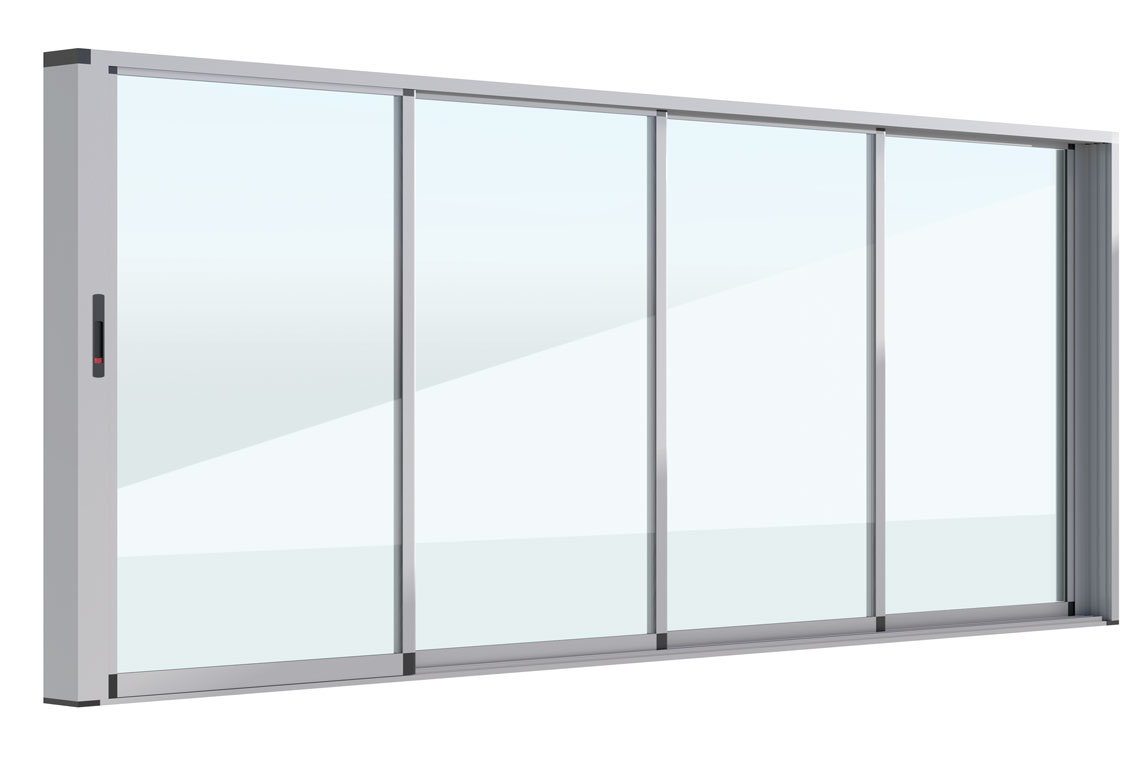
First, decide which opening you need to keep closed in everyday use. Securing only the panel you use to pass through serves a different purpose from holding several moving panels closed. Consider the order in which the panels close, where they meet, and which part of the opening you need to access. Check how the system works before assuming that locking one panel also secures the others.
Decide what the closed position needs to achieve. Is the goal to manage daily opening and closing or to restrict access to a particular area? Restricting access does not protect children from falls. A lock cannot replace a guardrail, and access restrictions cannot replace adult supervision. Balcony glazing does not automatically qualify as a guardrail, and an insect screen is not a fall barrier.
Matching the Lock to the Profile, Panel and Strike
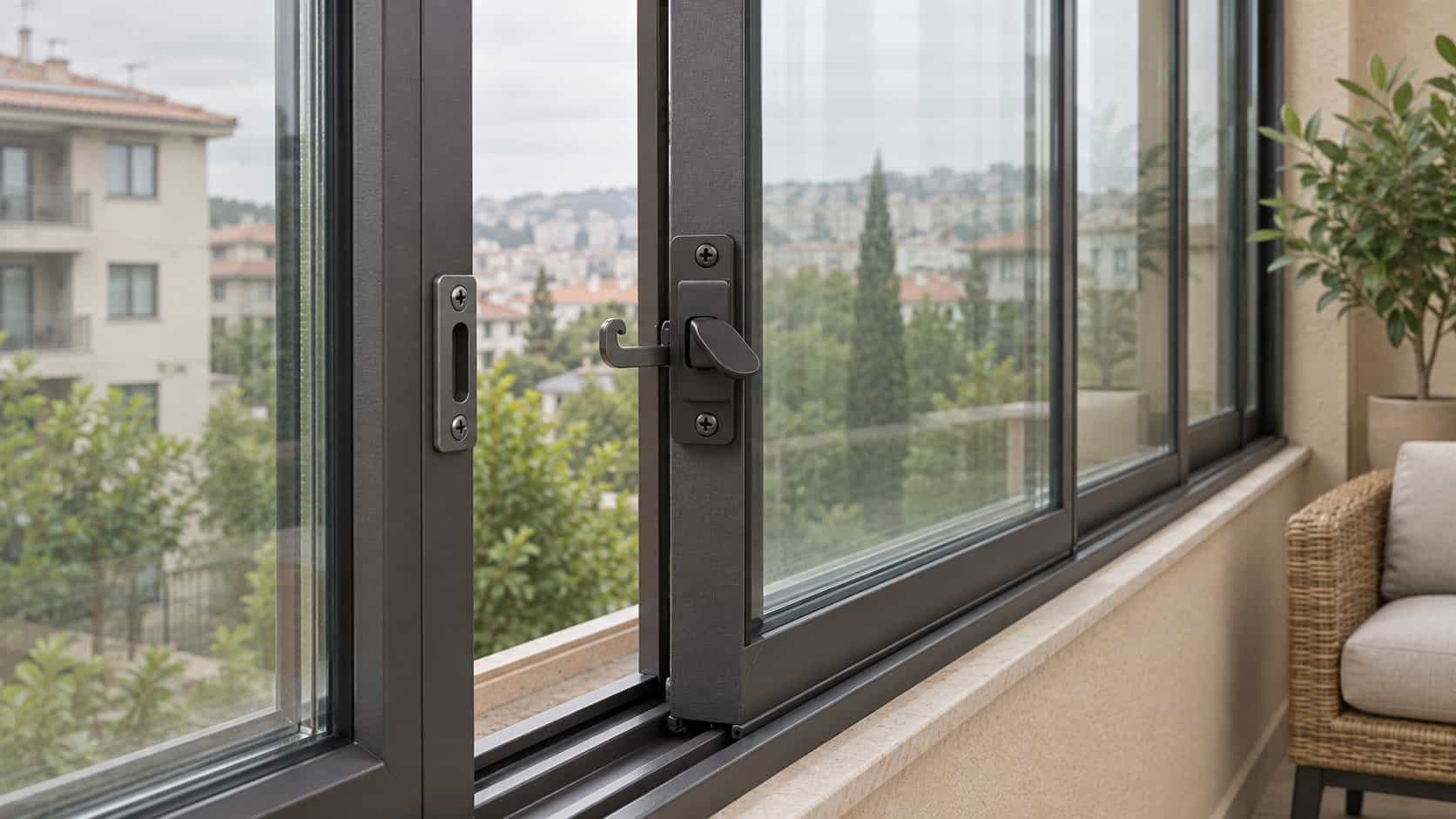
The strike is the part that the lock engages when the panel is closed. To assess compatibility, check the lock body, the strike location and the mounting arrangement on the panel. Verify glass balcony lock compatibility by looking at the profile shape, how the panel closes, and how the parts engage. Two locks that look alike may not work with the same system.
A seller’s photo or a generic product name does not establish whether a glass balcony lock accessory is compatible. Look for technical documentation or manufacturer approval that matches the make and model of your existing system. Ask exactly which system the proposed part fits, even if its dimensions or mounting points look similar.
Keyed or Keyless Locks for Inside and Outside Access?
When comparing keyed and keyless options, first establish which side you need to operate the lock from. Will you open the balcony only from inside, or do you also need access from outside? A key does not mean the lock works from both sides. Check the product’s confirmed specifications for which side it operates from and how it works. Ask how the mechanism operates if you choose a keyless option.
Locks for sliding glass balconies should be chosen with two things in mind: how often the lock will be used and who will control access. If several adults use the space, who keeps the key can affect everyday use. A keyed lock does not automatically provide a higher level of security. An access control feature alone does not establish that the lock functions as a child lock.
Handle Clearance, Lock Access and Panel Stacking
Even if the lock appears to fit with the panel closed, check that the handle has enough room to operate. You need to be able to reach the handle, use the key if applicable, and complete the motion without binding. How far the handle projects and how close it sits to a nearby profile or wall can affect everyday use. A front-facing product photo does not always show enough to judge this clearance.
The position of the lock and handle also matters when the panels open and stack to one side. Check whether any parts come into contact throughout the system’s full range of movement, as well as when it is fully closed. When choosing a glass balcony lock, ask a professional to check that the parts clear one another throughout their travel. Do not force the panels to create clearance.
What to Send the Manufacturer Before Retrofitting or Replacing a Lock
If you want to add or replace a lock, give the manufacturer the make and model of the existing system if known, the number of panels, and how they open. Photos of the overall installation, the existing handle and the strike area can help. Explain which panel you want to secure and whether you need access from inside or outside. You can take the photos with all parts in place.
This information gives the manufacturer a starting point for assessing compatibility. Ask them to confirm that the proposed accessory matches your system and that it can be retrofitted or used as a replacement. Compatibility varies by profile and panel. Check the technical data sheet or obtain manufacturer approval before selecting a specific lock, and avoid guessing the mounting dimensions.
Professional Checks for Opening, Closing and Lock Engagement at Handover
At handover, ask the installer to show you how the lock works and check that the panel opens and closes smoothly. With the panel closed, they should check that the locking part engages correctly with the strike. As well as checking that the handle turns, they should confirm that the lock holds the panel in the intended position and that the panel moves normally once unlocked.
If the lock is meant to secure more than one panel, ask the installer to confirm that it does. They should explain the order in which to close the panels and which side to operate the lock from. This check covers everyday operation and does not confer a security rating. If the lock binds or you are unsure how it works, tell the installer at handover.
When Should You Call for Service if the Lock Engages Inconsistently?
If the lock engages intermittently, the handle takes more force than usual, or you need to push the panel to lock it, stop forcing it and request a service inspection. The lock itself may not be the cause. Tell the technician which closed position triggers the problem and what happens. Leave the strike, hardware and profile in place for the inspection.