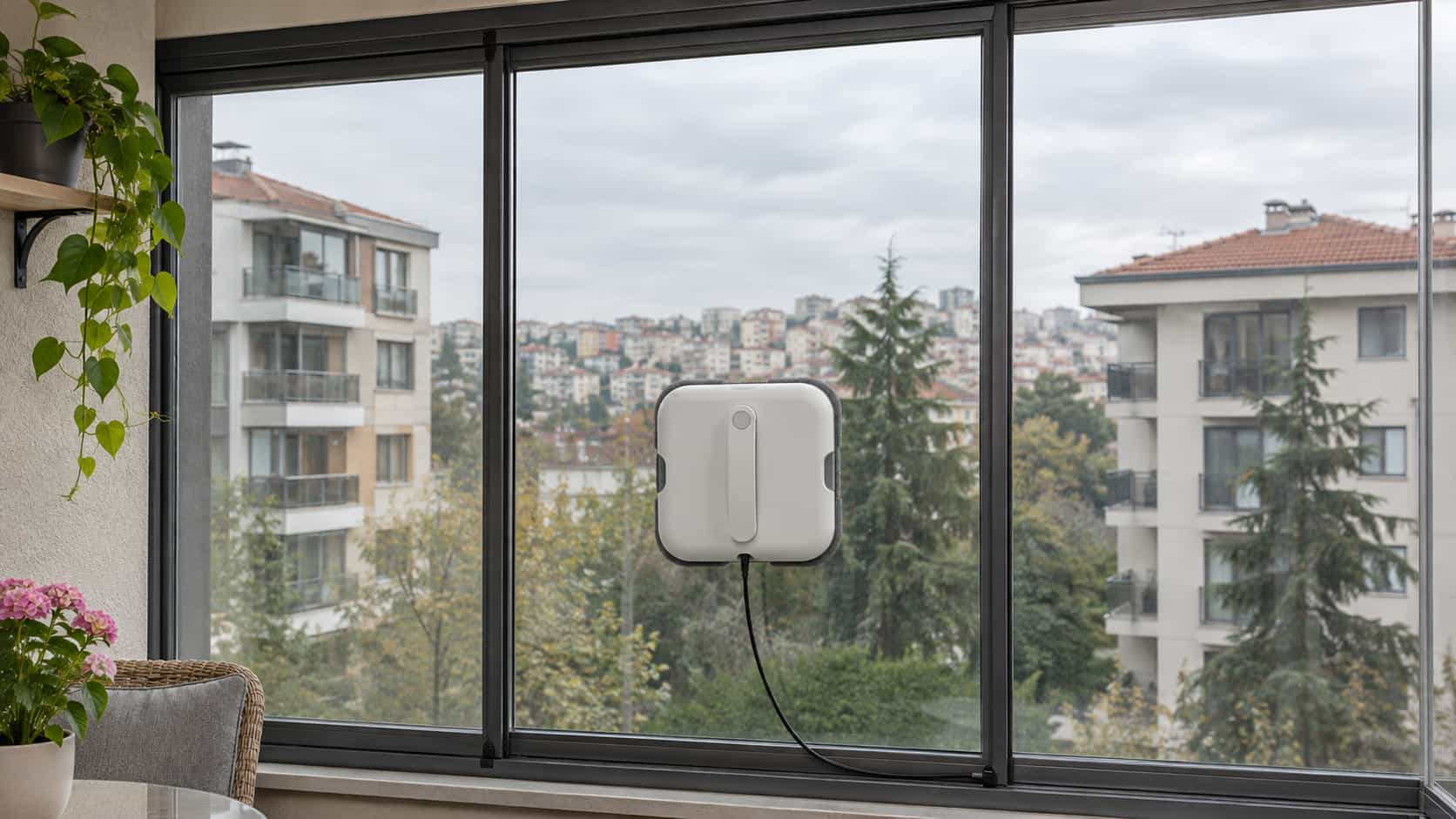

A window cleaning robot for a glass balcony may be suitable when the device’s manual permits use on the specific glass panel. Fitting onto the glass is only one consideration: the available working area, edge design, surface properties and safe access must also meet the model’s requirements. Compatibility cannot be assumed for every robot or balcony enclosure.
Assess the individual panel where the device will operate, rather than the enclosure’s total width. If any relevant detail is unclear, consult both the robot manufacturer and the glass system manufacturer. Similar dimensions or successful use on another balcony do not establish compatibility with your installation.
Why Does Suitability Depend on the Model Manual and Glass Panel Specifications?
General statements in a product description do not establish whether a robot is suitable for a particular balcony enclosure. The assessment should follow the current operating manual for the exact model. Devices within the same product family can have different operating requirements, so instructions for a similar-looking robot should not be used as a substitute.
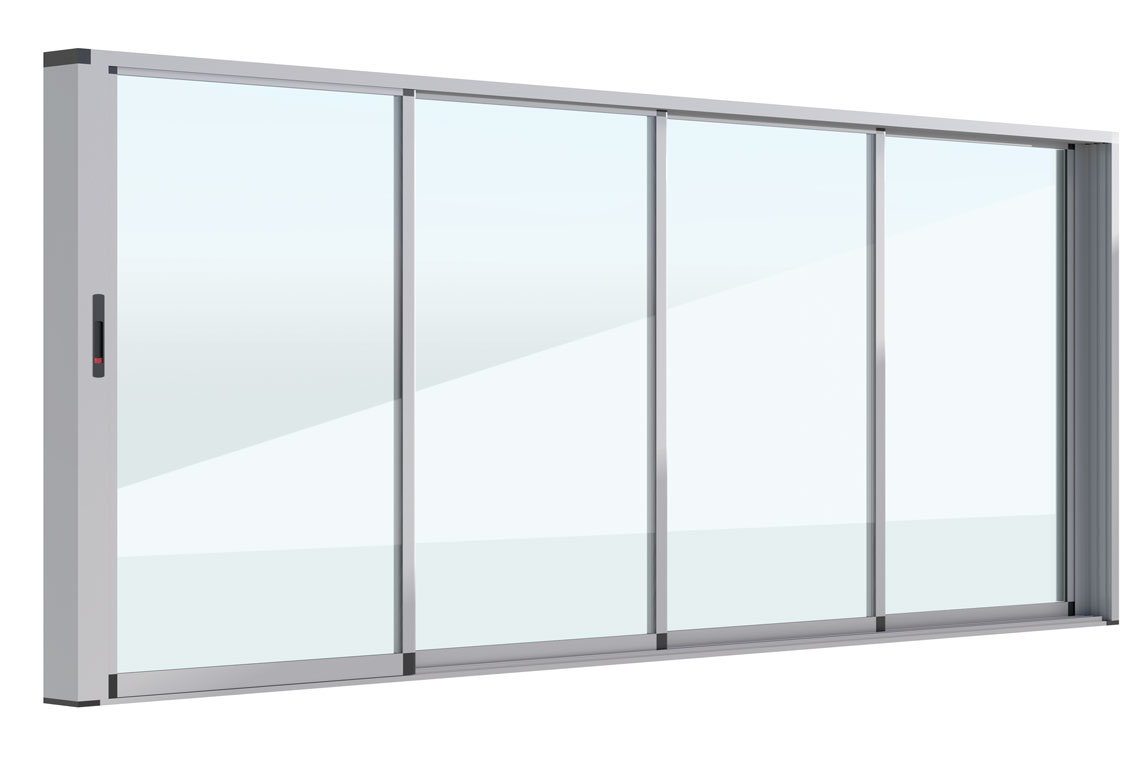
The glass system also needs a more precise description than simply sliding or folding. Its technical specifications and current condition matter. Suitability for one panel does not automatically extend to every glazed surface: sloping glass roofs, horizontal surfaces and individual panes within a vertical sliding system require separate consideration against the device’s permitted operating conditions.
Usable Panel Dimensions: The Difference Between Robot Size and Minimum Working Area
The robot’s body dimensions describe its external size, while the minimum working area describes the glass dimensions needed for its cleaning movements. These are different measurements. A device fitting inside a panel’s boundaries does not establish that it can turn or complete its cleaning pattern there. The relevant comparison is with the minimum panel dimensions specified in its manual.
Assess the width and height of the usable glass surface rather than the panel’s overall dimensions, including its frame. Areas occupied by framing do not count towards that surface. Total area alone is also insufficient: a tall, narrow pane may provide substantial glass area while failing the device’s minimum width requirement. A single minimum size should not be applied across different robot models.
Edge Detection Support for Framed and Frameless Glass
Using a robot on frameless glass requires explicit confirmation that the device supports that edge arrangement. A robot designed to work on framed windows is not automatically suitable for a frameless panel. Check the manual for frameless-glass support and any associated restrictions. The presence of sensors alone does not establish compatibility with every exposed-edge configuration.
Framed glass also requires attention to the boundary’s design. The device’s frame-detection requirements must match the panel’s actual edge arrangement. A narrow profile or seal between balcony panes is not necessarily a boundary the robot can recognise appropriately. If the edge cannot be matched confidently to the manual’s descriptions, ask the device manufacturer to assess photographs and relevant technical details.
Obstructions and Clearances Created by Handles, Profiles and Adjacent Panels
Handles, lock housings and projecting profiles can reduce the space available for the device to move. Their position on the glass is only part of the assessment: their projection from the surface and the remaining clearance also matter. Robot thickness and required operating clearance should be treated as separate specifications, with the model’s obstruction and clearance requirements checked directly.
An adjacent panel may also restrict the space in front of the working surface. Do not assume that a robot can cross a glass joint, track or profile to clean another panel. Closely positioned panes may not form a continuous working surface for the device. Compatibility should be assessed with existing obstructions in place, without removing handles, profiles or glass to accommodate the robot.
Surface Compatibility: Glass Thickness, Coatings, Patterns and Damage
Where a glass-thickness requirement is specified, check it in the manual for the exact robot model. Meeting that requirement does not establish overall surface suitability. For coated glass, applied films, patterned glass or textured surfaces, both the robot manufacturer’s permitted surface types and the glass or coating manufacturer’s cleaning instructions need to be considered together.
A surface that looks smooth may still have a specialist coating that cannot be identified visually, making product documentation necessary. Suitability should not be assumed for panels with cracks, damaged edges or surface deterioration. Nor should a general assurance that the device cannot damage glass be inferred. If the manufacturers’ instructions conflict, resolve the uncertainty before considering use; testing the robot on the surface is not a substitute for clarification.
Securing Movable Panels and Ensuring Safe Access
The permitted position of a movable panel during operation, and any requirements for keeping it stationary, should be confirmed through the robot manual and the glass system manufacturer. A closed panel or an engaged existing lock does not by itself establish compliance. Requirements for the device’s safety attachment must also be assessed separately, without guessing which attachment point is suitable.
Safe access for placing and retrieving the device is another condition of suitability. Access that requires leaning outside, reaching towards a high exterior surface, climbing a ladder or standing on a railing should not be treated as acceptable. If safe access or the manufacturer’s securing requirements cannot be met, suitability must not be assumed. The installation then requires professional assessment.
Compatibility Questions to Ask the Robot and Glass System Manufacturers
When contacting the manufacturers, provide the exact robot model and the available technical information about the glass system, rather than relying solely on a general balcony photograph. Ask the robot manufacturer whether the installation falls within the manual’s permitted operating conditions. Ask the glass system manufacturer whether the proposed use is consistent with its own instructions. Each response should clearly identify the product and installation being assessed.
Rather than relying on a general statement that use is possible, ask what information supports the assessment and whether any conditions remain unresolved. Where the manufacturers provide conflicting explanations, seek written clarification of the specific disagreement. One manufacturer’s assessment does not replace the other’s technical requirements. If the necessary details cannot be verified, a definite compatibility conclusion should not be given for the existing balcony enclosure.