
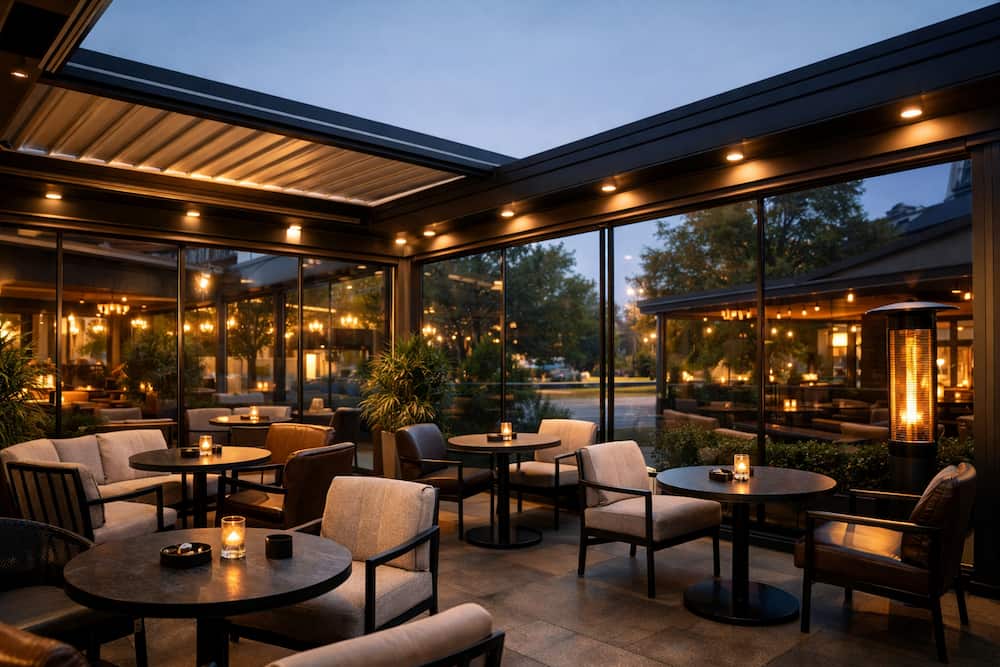
Which Enclosure Systems Are Preferred for Smoking Areas in Cafés and Restaurants?

Designing a compliant and functional smoking area in cafés and restaurants requires a balance between legal requirements, customer comfort, and operational efficiency. These areas must remain partially open while still providing protection against external factors such as wind, rain, and temperature fluctuations. As a result, enclosure systems play a critical role in shaping the usability and profitability of outdoor seating zones.
From an operational standpoint, well-designed smoking areas extend customer dwell time and increase table turnover efficiency during peak hours. However, incorrect system selection can lead to compliance issues, poor ventilation, and customer dissatisfaction. Therefore, choosing the right enclosure solution is not only a design decision but also a strategic business investment.
Different systems such as pergolas, glass enclosures, and retractable roofs offer varying levels of flexibility, protection, and regulatory compatibility. Understanding these options in detail enables business owners to implement solutions that align with both legal frameworks and customer expectations while maintaining long-term durability and cost efficiency.
Why Proper Smoking Area Design Matters in Food & Beverage Spaces
Proper smoking area design directly impacts both customer experience and regulatory compliance within food and beverage establishments. In high-traffic environments such as cafés and restaurants, smoking zones must be structured in a way that minimizes disruption to non-smoking guests while still offering a comfortable and usable space for smokers. This balance is essential for maintaining overall service quality and brand perception.
From a business perspective, a well-designed smoking area can increase seating capacity without violating indoor smoking restrictions. It allows operators to monetize outdoor spaces more effectively, especially in urban locations where space utilization is critical. Additionally, customers are more likely to stay longer in venues where smoking areas are protected from weather conditions, directly contributing to higher revenue per customer.
On the other hand, poorly designed smoking areas can create operational inefficiencies, such as airflow issues, smoke accumulation, and discomfort during adverse weather. These factors not only reduce usability but can also lead to customer complaints and potential legal risks. Therefore, investing in the right enclosure system and layout is a fundamental requirement for sustainable business operations.
Key Legal and Compliance Requirements for Smoking Areas
Smoking areas in cafés and restaurants are subject to strict regulations that vary depending on local laws but generally follow similar principles worldwide. These regulations are designed to ensure that smoking zones do not negatively impact indoor air quality or expose non-smoking customers and staff to secondhand smoke. As a result, enclosure systems must be carefully selected to meet these compliance standards.
One of the most critical factors is maintaining an open-air structure. Fully enclosed spaces are often classified as indoor environments, making smoking prohibited. Therefore, systems used in smoking areas must allow sufficient airflow, either through open sides or retractable components. This requirement directly influences the choice of pergolas, glass systems, and roofing solutions.
Additionally, separation between smoking and non-smoking areas must be clearly defined. This can include physical barriers, distance requirements, or directional airflow strategies. Failure to comply with these rules can result in fines, operational restrictions, or reputational damage. For this reason, understanding legal constraints before selecting an enclosure system is essential.
Ventilation and Open-Air Criteria
Ventilation is one of the most critical regulatory requirements for smoking areas in cafés and restaurants. Authorities typically define smoking zones as spaces that must maintain a certain level of openness to ensure continuous air circulation. This means that fully enclosed structures, even if they are located outdoors, may still be considered indoor spaces and therefore be subject to smoking bans.
To comply with these requirements, enclosure systems must incorporate design elements that promote airflow. Retractable roofs, openable glass panels, and partially covered structures are commonly used to achieve this balance. These systems allow operators to adapt the space according to weather conditions while maintaining the necessary level of ventilation.
Failure to meet ventilation criteria can lead to serious consequences, including fines and forced modifications. Moreover, poor airflow negatively affects customer comfort by allowing smoke to accumulate within the space. Therefore, selecting systems that prioritize natural ventilation is both a legal necessity and a key factor in ensuring a positive user experience.
Pergola Systems for Flexible Smoking Area Coverage
Pergola systems are among the most widely preferred solutions for smoking area enclosures in cafés and restaurants due to their flexibility and adaptability. These systems provide overhead coverage while maintaining open sides, making them ideal for meeting ventilation requirements. At the same time, they offer protection against rain, sunlight, and moderate wind conditions.
Modern pergola systems are often equipped with motorized mechanisms that allow operators to adjust the roof structure based on weather conditions. This flexibility ensures that the space remains usable throughout the year, maximizing return on investment. Additionally, pergolas can be integrated with lighting, heating, and side enclosure systems to enhance comfort.
From a design perspective, pergolas contribute to the aesthetic appeal of outdoor spaces, aligning with the overall branding of the venue. They can be customized in terms of materials, colors, and structural configurations. As a result, pergola systems not only address functional needs but also support the visual identity and customer experience of the business.
Bioclimatic Pergola Advantages
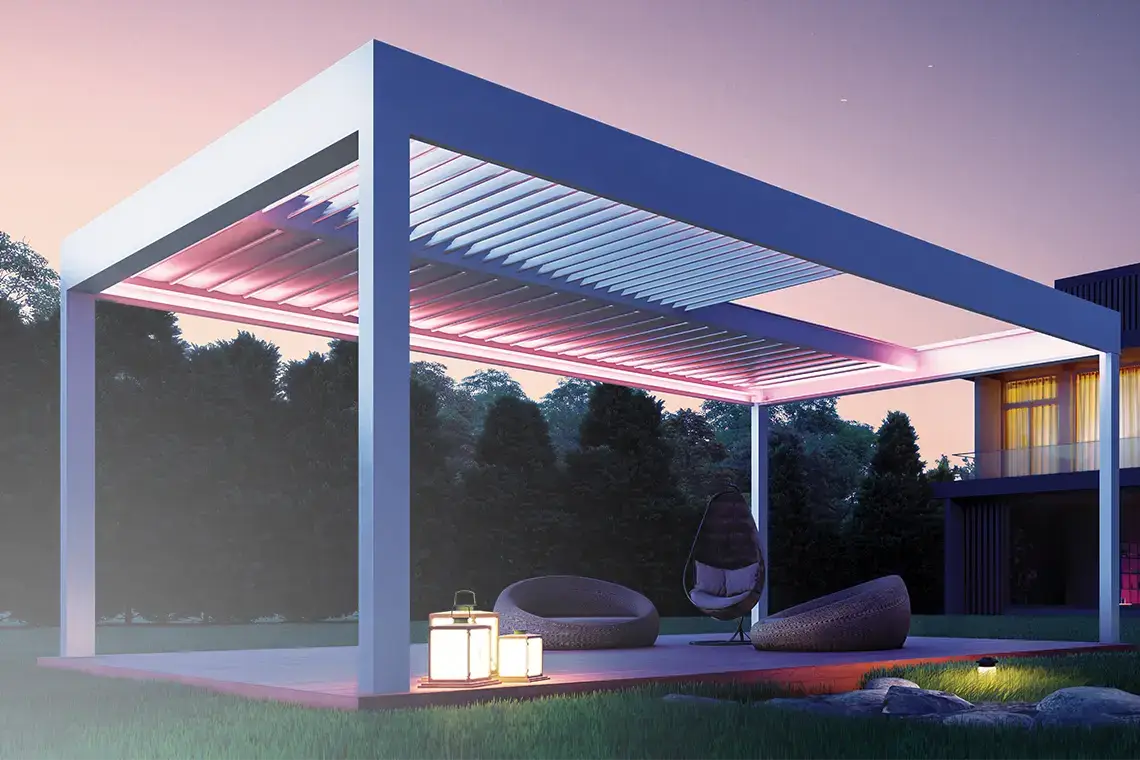
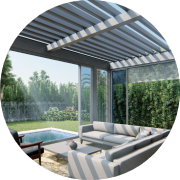
Bioclimatic pergolas represent an advanced version of traditional pergola systems, offering enhanced control over environmental conditions. These systems feature adjustable aluminum louvers that can be tilted to regulate sunlight, airflow, and rain protection. This level of control makes them highly suitable for smoking areas where ventilation is a key requirement.
One of the main advantages of bioclimatic pergolas is their ability to maintain comfort without fully enclosing the space. By adjusting the angle of the louvers, operators can create a balance between openness and protection. This ensures compliance with smoking regulations while still providing a pleasant environment for customers.
In addition to functional benefits, bioclimatic pergolas are known for their durability and low maintenance requirements. Their aluminum structure resists corrosion and wear, making them suitable for long-term use in outdoor environments. This combination of performance and longevity makes them a strategic investment for businesses.
Motorized vs Manual Pergola Options
Pergola systems are available in both motorized and manual configurations, each offering distinct advantages depending on the operational needs of the business. Motorized pergolas provide convenience and efficiency by allowing operators to adjust the system with minimal effort. This is particularly beneficial in high-traffic environments where quick adjustments are required.
Manual pergolas, on the other hand, are more cost-effective and suitable for smaller venues with limited budgets. While they require physical effort to operate, they still provide the essential benefits of coverage and flexibility. However, their usability may be limited in situations where frequent adjustments are necessary.
When choosing between motorized and manual systems, businesses must consider factors such as budget, operational intensity, and customer expectations. In most cases, motorized systems offer a higher return on investment due to their ease of use and ability to enhance customer experience, especially in premium venues.
Glass Enclosure Systems for Wind and Weather Protection
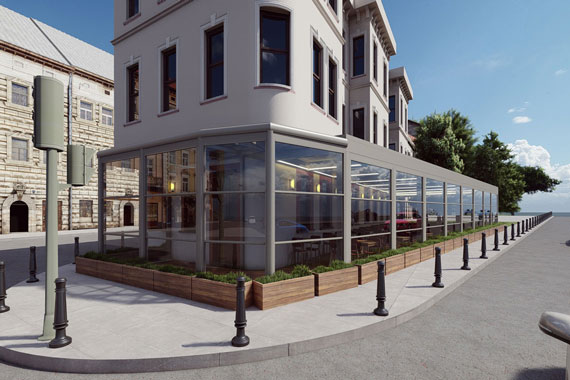
Glass enclosure systems are commonly used in smoking areas to provide protection against wind and external elements without fully blocking visibility. These systems are particularly effective in urban environments where wind conditions can significantly impact customer comfort. By acting as a barrier, glass panels help maintain a stable and usable outdoor space.
One of the key advantages of glass systems is their ability to preserve the open-air concept while offering partial enclosure. When designed correctly, they do not violate ventilation requirements, especially when combined with open roofs or retractable elements. This makes them a complementary solution rather than a standalone system.
Additionally, glass enclosures enhance the aesthetic appeal of the venue by creating a modern and transparent look. They allow natural light to enter the space while maintaining visual continuity with the surrounding environment. This combination of functionality and design makes glass systems a popular choice for premium cafés and restaurants.
Sliding Glass Systems
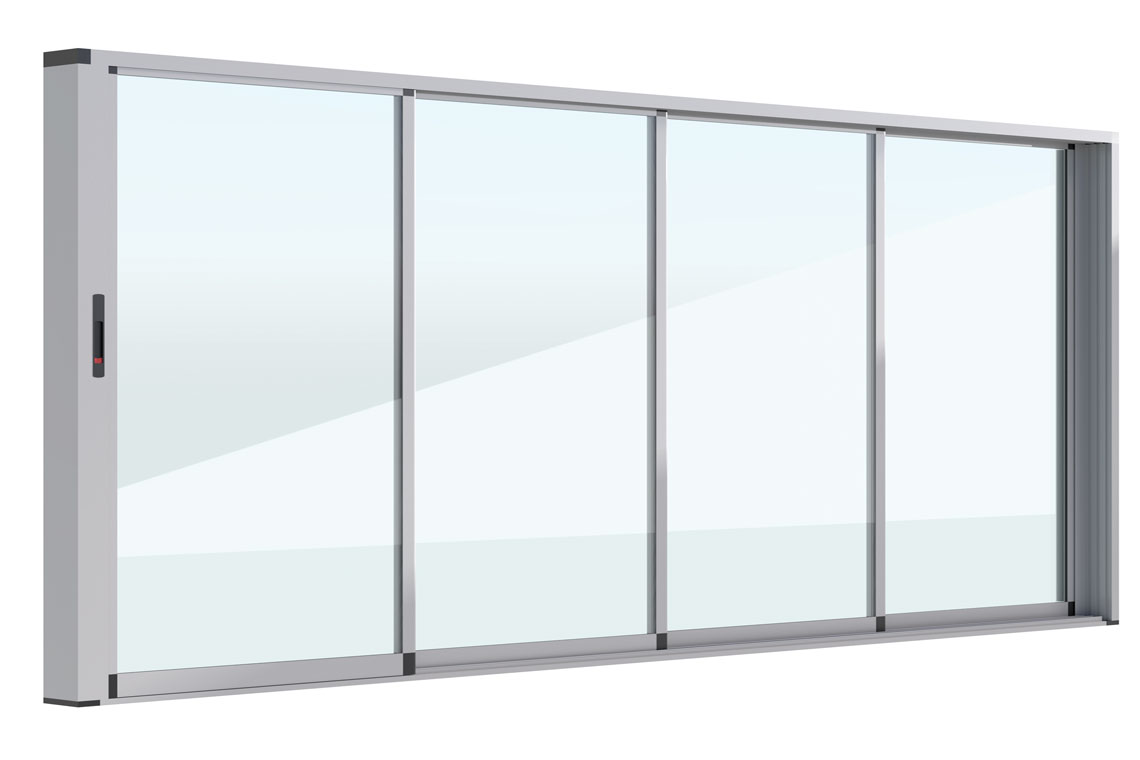
Sliding glass systems are designed to provide flexibility by allowing panels to be opened or closed depending on weather conditions. These systems operate on a rail mechanism, enabling smooth horizontal movement. This feature makes them particularly suitable for smoking areas that require adaptability throughout the day.
When fully opened, sliding glass systems create an open-air environment that complies with smoking regulations. When closed, they provide protection against wind and rain without completely sealing the space. This dual functionality enhances usability and ensures that the area remains operational in different conditions.
From a maintenance perspective, sliding systems are relatively easy to manage. Their simple mechanism reduces the risk of technical issues, making them a reliable option for long-term use. This combination of practicality and performance makes them a preferred solution in many commercial settings.
Guillotine (Vertical) Glass Systems
Guillotine glass systems operate vertically, allowing panels to move up and down to adjust the level of enclosure. These systems are often motorized, providing ease of use and precise control. Their vertical movement makes them particularly effective in managing airflow and visibility within smoking areas.
One of the main benefits of guillotine systems is their ability to create a semi-open environment. By lowering the panels partially, operators can maintain ventilation while still offering protection against external conditions. This makes them highly compatible with smoking area regulations.
In addition to functionality, guillotine systems offer a sleek and modern appearance that enhances the overall design of the venue. Their advanced mechanism and premium feel make them suitable for high-end establishments that prioritize both performance and aesthetics.
Fixed Roof Systems for Permanent Smoking Zones
Fixed roof systems are designed for businesses that require a permanent and stable solution for smoking areas. These systems provide consistent protection against weather conditions, making them suitable for locations with harsh climates or year-round outdoor usage. However, their application must be carefully evaluated in terms of regulatory compliance.
Since fixed roofs can create a more enclosed environment, they are often combined with open sides or ventilation gaps to meet legal requirements. Without these features, the space may be classified as indoor, making smoking prohibited. Therefore, design considerations play a critical role in the implementation of fixed systems.
From a durability standpoint, fixed roofs offer long-term reliability with minimal maintenance. They are typically constructed using materials such as aluminum, steel, or polycarbonate, ensuring resistance to environmental factors. This makes them a cost-effective solution for businesses seeking a permanent structure.
Retractable Roof and Awning Systems as Hybrid Solutions
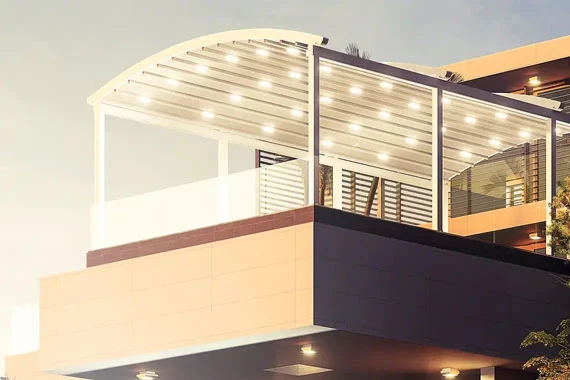
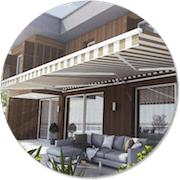
Retractable roof and awning systems provide a hybrid solution that combines the benefits of fixed and flexible structures. These systems allow operators to open or close the roof depending on weather conditions, offering maximum adaptability. This flexibility makes them highly suitable for smoking areas with varying usage patterns.
One of the key advantages of retractable systems is their ability to maintain compliance with open-air requirements. When opened, they create a fully ventilated environment, while when closed, they provide protection against rain and sunlight. This dual functionality ensures continuous usability throughout the year.
Additionally, retractable systems can be integrated with automation technologies, enabling remote control and scheduling. This enhances operational efficiency and reduces the need for manual intervention. As a result, they represent a modern and practical solution for dynamic outdoor spaces.
Comparing Enclosure Systems by Cost, Durability, and Usability
Choosing the right enclosure system requires a comprehensive evaluation of cost, durability, and usability. Each system offers different advantages, and the optimal choice depends on the specific needs of the business. Pergolas, for example, provide flexibility and moderate cost, while glass systems enhance comfort and aesthetics.
Durability is another critical factor, especially in outdoor environments where systems are exposed to weather conditions. Materials such as aluminum and tempered glass offer long-term performance with minimal maintenance. Investing in high-quality materials reduces operational costs over time and ensures consistent usability.
Usability, on the other hand, determines how effectively the system can be integrated into daily operations. Systems that are easy to operate and adapt to changing conditions provide a better customer experience. Therefore, businesses must consider not only the initial investment but also long-term performance and operational efficiency.
Choosing the Right System Based on Business Type and Space Layout
The selection of an enclosure system should be aligned with the type of business and the physical layout of the space. Cafés with limited outdoor areas may benefit from compact and flexible solutions such as sliding glass systems or small pergolas. In contrast, large restaurants can implement more complex structures that accommodate higher seating capacity.
Layout considerations include factors such as airflow direction, proximity to indoor areas, and customer movement patterns. These elements influence both compliance and usability. A well-planned layout ensures that the smoking area integrates seamlessly with the overall design of the venue.
Additionally, businesses must consider their target audience and brand positioning. Premium venues may prioritize aesthetics and advanced systems, while budget-focused establishments may opt for simpler solutions. Aligning the enclosure system with business objectives is essential for maximizing return on investment.
Common Mistakes When Setting Up Smoking Area Enclosures
One of the most common mistakes in smoking area design is creating fully enclosed spaces that violate legal requirements. This often occurs when businesses prioritize protection over ventilation, leading to compliance issues. Ensuring proper airflow should always be the primary consideration.
Another common issue is the use of low-quality materials that degrade quickly under outdoor conditions. This not only increases maintenance costs but also negatively impacts customer perception. Investing in durable materials is essential for long-term performance.
Operational mistakes, such as poor layout planning and inadequate separation from non-smoking areas, can also reduce usability. These issues create discomfort for both customers and staff, ultimately affecting business performance. Avoiding these mistakes requires a strategic approach to design and system selection.
Long-Term Maintenance and Operational Considerations
Maintenance is a critical aspect of enclosure systems that directly affects their lifespan and performance. Regular cleaning, inspection, and servicing are necessary to ensure that all components function properly. Neglecting maintenance can lead to system failures and increased operational costs.
Different systems require different levels of maintenance. For example, motorized systems may need periodic technical checks, while glass panels require regular cleaning to maintain visibility and aesthetics. Understanding these requirements helps businesses plan their operational workflows more effectively.
In addition to maintenance, businesses must consider long-term operational efficiency. Systems that are easy to use and adapt to changing conditions reduce staff workload and improve service quality. Therefore, selecting systems with both durability and ease of operation is essential for sustainable business success.
Integration of Heating and Ventilation Systems
In smoking areas, not only the closing system but also heating and ventilation solutions are of great importance. Heating systems are preferred, especially during winter months, to ensure customer comfort. These systems extend the usage time of the area and increase customer satisfaction.
Ventilation is a critical factor in smoke removal. A properly planned ventilation system provides both a healthy and comfortable environment. Tenteks solutions are designed to work seamlessly with these systems.
Choosing the Right Closure System Based on Business Type
Every business has different needs. More economical solutions may suffice for small cafes, while large restaurants may require more comprehensive systems. Therefore, a proper analysis is essential.
Factors such as location, customer profile, and usage intensity should be considered. Tenteks facilitates the selection of the right system by offering customized solutions for each business.
Comparison Based on Cost, ROI, and Use Cases
Cost alone is not a sufficient criterion when choosing a closure system. The payback period for the investment should also be considered. More expensive systems may be more advantageous in the long run.
Choosing the right system increases both customer satisfaction and business revenue. Tenteks solutions provide maximum efficiency by achieving this balance.